
🕐15 min read
In This Article
Spirit Animal Discovery Guide
Find your spirit animal — comprehensive quiz, meanings, meditation techniques, and totem interpretations.
- Why the Full Moon Calls Us to Release and Give Thanks
- Preparing Your Sacred Space for Full Moon Work
- The Release Ritual: Letting Go with Intention and Safety
- The Gratitude Ritual: Honoring What Is, Not Just What Could Be
- Charging Crystals and Water Under the Full Moon
- Full Moon Meditation and Journaling Prompts
- Honoring the Animals That Appear Under the Full Moon
- Frequently Asked Questions
Have you ever stood beneath a full moon and felt something shift inside you — a quiet knowing that the time has come to let something go? The full moon has been a beacon for release and gratitude across cultures for thousands of years. In 2026, the lunar cycles offer us twelve distinct opportunities to shed what no longer serves us and to honor what does. But not all full moon rituals are created equal. Some are rooted in centuries-old traditions, others in modern energy work, and the most powerful ones blend both with intention and presence. The question isn’t whether you should work with the full moon — it’s how to do so in a way that actually transforms, not just feels good for an evening.
Why the Full Moon Calls Us to Release and Give Thanks
The full moon marks the peak of the lunar cycle — a moment of maximum illumination, both in the sky and within our inner landscape. In traditional Chinese medicine, the full moon is associated with the element of fire and the heart meridian, a time when emotions rise to the surface for clearing. Celtic traditions saw it as a portal between worlds, when the veil thins and old patterns can be ritually severed. The Hindu festival of Kartik Purnima, which falls on the full moon of November, is a celebration of light, gratitude, and ancestral remembrance. Across these traditions, a common thread emerges: the full moon is not a time for beginning new things, but for completing, releasing, and giving thanks for what has been.
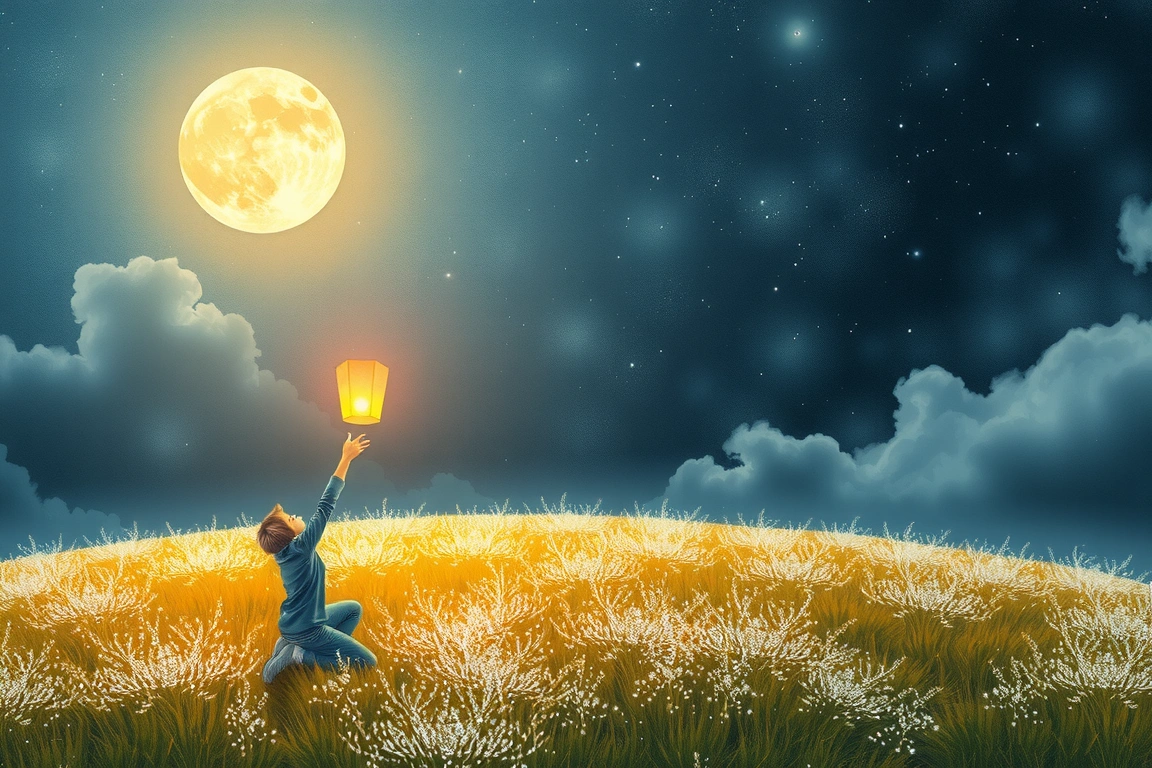
From a behavioral perspective, studies have shown that lunar cycles can influence sleep quality and emotional intensity. A 2013 study published in Current Biology found that participants took five minutes longer to fall asleep and had 30% less deep sleep during the full moon phase, even when they couldn’t see the moon. This heightened sensitivity makes the full moon an ideal time for introspective ritual work — your nervous system is already more alert, more receptive. The key is to channel that energy intentionally rather than letting it scatter into restlessness or anxiety.
When I first began working with full moon rituals over a decade ago, I made the mistake of trying to do everything — release, set intentions, charge crystals, journal, cast a circle — all in one evening. I ended up exhausted and unclear. The most effective approach is to choose one focus per moon cycle. Release rituals and gratitude rituals serve different energetic purposes, and trying to force both into a single ceremony often dilutes the power of each. In 2026, you have twelve full moons. Let each one carry a distinct intention.
Preparing Your Sacred Space for Full Moon Work
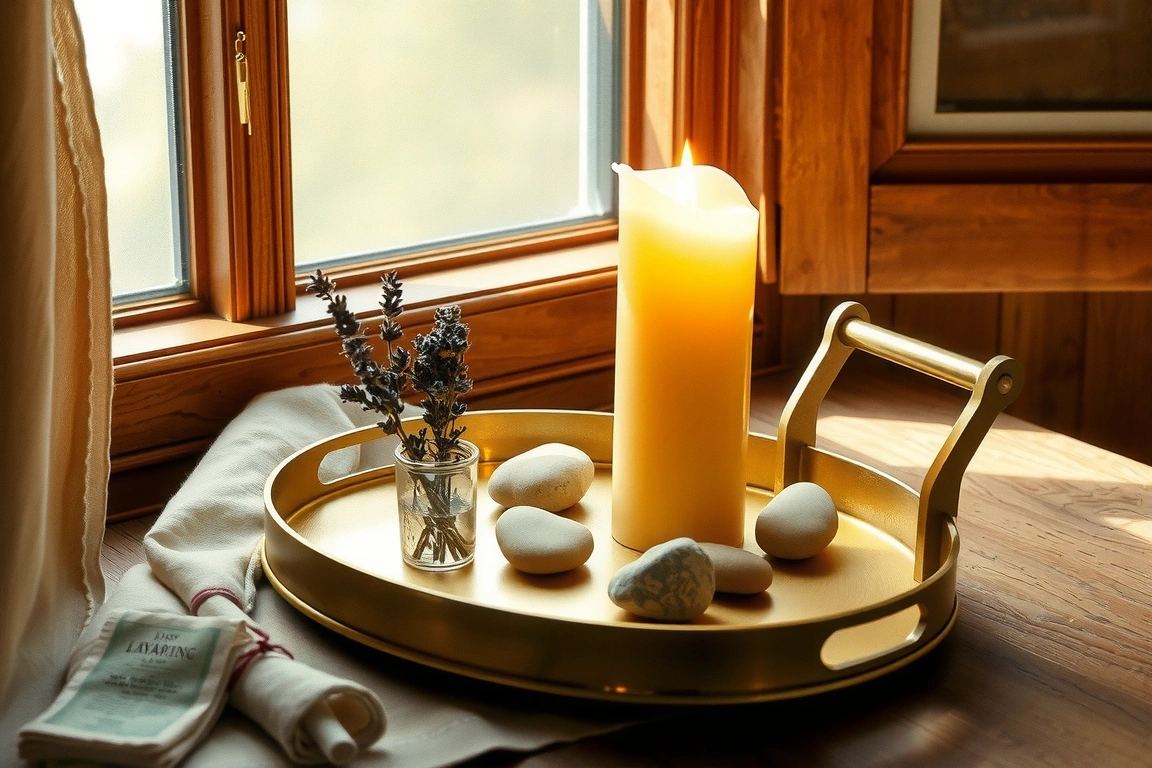
Before any ritual, the space you create matters more than the tools you use. A full moon ritual doesn’t require an elaborate altar or expensive crystals — it requires a container of intention. Begin by physically cleaning the area where you’ll work. This isn’t just about aesthetics; it’s about clearing stagnant energy so that what you release actually leaves. Open a window for at least ten minutes, even in winter, to allow the old air to move out. Light a single white candle — beeswax candles burn cleaner than paraffin and carry a natural warmth that aligns well with lunar energy. A 2020 study by the Environmental Protection Agency found that beeswax candles emit virtually no harmful particulates, making them the safest choice for indoor ritual work.
Timing is equally important. The full moon’s energy is most potent in the 12 hours before and after its exact peak. In 2026, the full moons occur on the following dates (all times in Eastern Standard Time): January 3 at 5:23 AM, February 1 at 11:09 PM, March 3 at 6:38 AM, April 1 at 8:24 PM, May 1 at 12:22 PM, May 31 at 12:45 AM, June 29 at 10:57 AM, July 28 at 9:54 PM, August 27 at 12:36 PM, September 25 at 1:50 PM, October 24 at 4:18 PM, November 23 at 7:57 AM, and December 23 at 3:28 AM. Mark your calendar for the one that feels most aligned with what you’re ready to release or honor. If you can be outside during the ritual, even for five minutes, the direct moonlight amplifies the energetic charge.
Grounding is the step most beginners skip, and it’s the one that makes the difference between a ritual that feels like performance and one that feels like transformation. Before you begin, stand barefoot on the earth if possible, or place your palms flat on the floor. Take seven slow breaths — the number seven is associated with the moon’s phases in many traditions, including the seven-day lunar week in Babylonian astrology. Feel your feet connecting to the ground beneath you. This is not just symbolic; it activates the parasympathetic nervous system and prepares your body to hold the emotional weight that release rituals often bring up.
The Release Ritual: Letting Go with Intention and Safety
Release rituals are the most requested full moon practice, and for good reason. The urge to let go of pain, habits, or old stories is universal. But there is a right way and a wrong way to do this. The wrong way is to write down everything you hate about yourself or your life and burn it without any container for what comes next. I’ve seen people do this and then spend the following weeks feeling hollow rather than free. The right way involves naming what you’re releasing with specificity, honoring what it taught you, and creating a clear boundary for the new energy you’re inviting in.
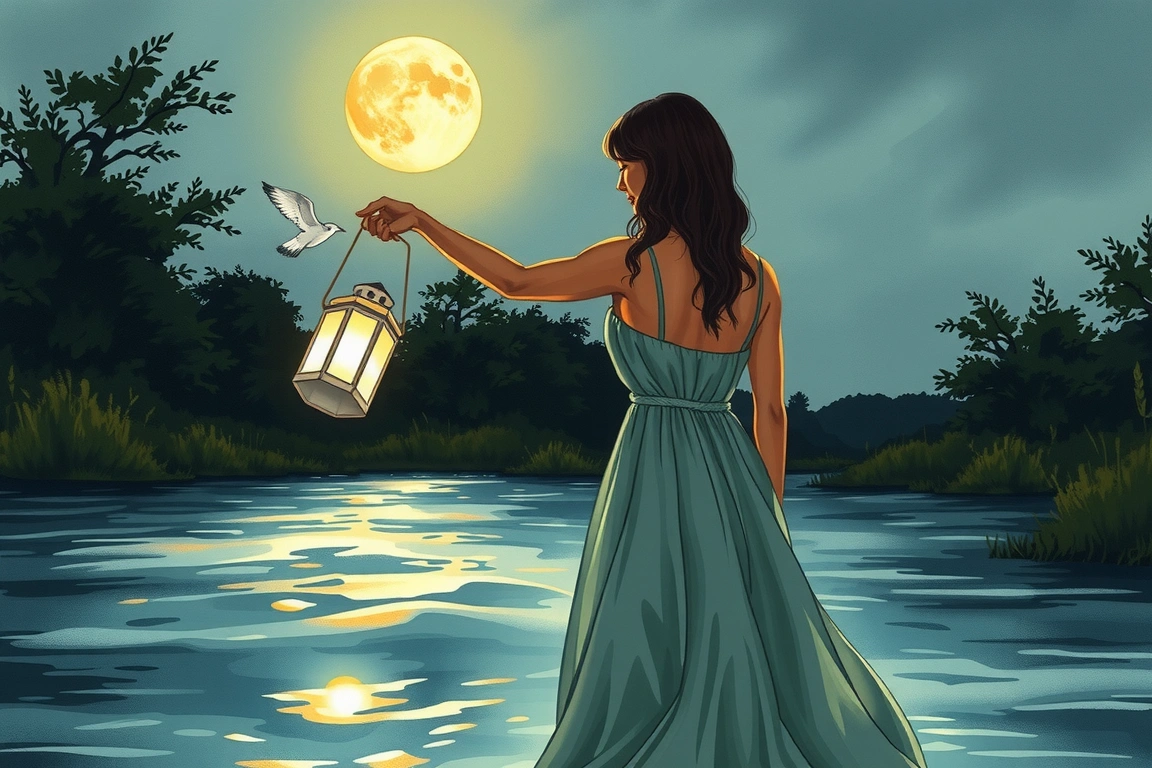
Begin with a list. Take a sheet of unlined paper — the texture matters, as it absorbs ink differently than lined paper and feels more ceremonial — and write down three to five things you are ready to release. Be specific. Instead of “I release fear,” write “I release the fear that I will never be enough for my family.” Instead of “I release anger,” write “I release the anger I still carry from my last relationship ending.” The specificity gives your subconscious a clear target. Then, for each item, write one sentence of gratitude for what it taught you. This is the step that prevents the release from becoming a rejection of yourself. For example: “I release the fear that I will never be enough for my family, and I thank it for showing me how deeply I care about belonging.”
When you are ready to physically release the paper, you have three options: burning, burying, or dissolving in water. Burning is the most common, but it requires caution. Use a fireproof bowl — a ceramic cauldron or a cast-iron skillet works well — and never burn paper indoors without proper ventilation. If you choose to bury the paper, find a spot away from your home, at least six inches deep, and cover it with soil. If you dissolve it in water, use a bowl of moon-charged water (water that has sat under the full moon for at least two hours) and let the paper break down overnight. In the morning, pour the water into the earth or down a sink — never into a natural water source unless the ink is completely non-toxic. After the release, wash your hands with salt water and say aloud: “This is done. I am free to move forward.”
The Gratitude Ritual: Honoring What Is, Not Just What Could Be
Gratitude rituals under the full moon serve a different purpose than release work. They anchor you in the present and prevent the common trap of always reaching for the next transformation without pausing to appreciate what has already unfolded. In many Native American traditions, particularly among the Lakota and Ojibwe peoples, the full moon is a time for giving thanks to the earth and the ancestors — not for what you want, but for what you already have. This is not toxic positivity; it is a radical act of seeing clearly.
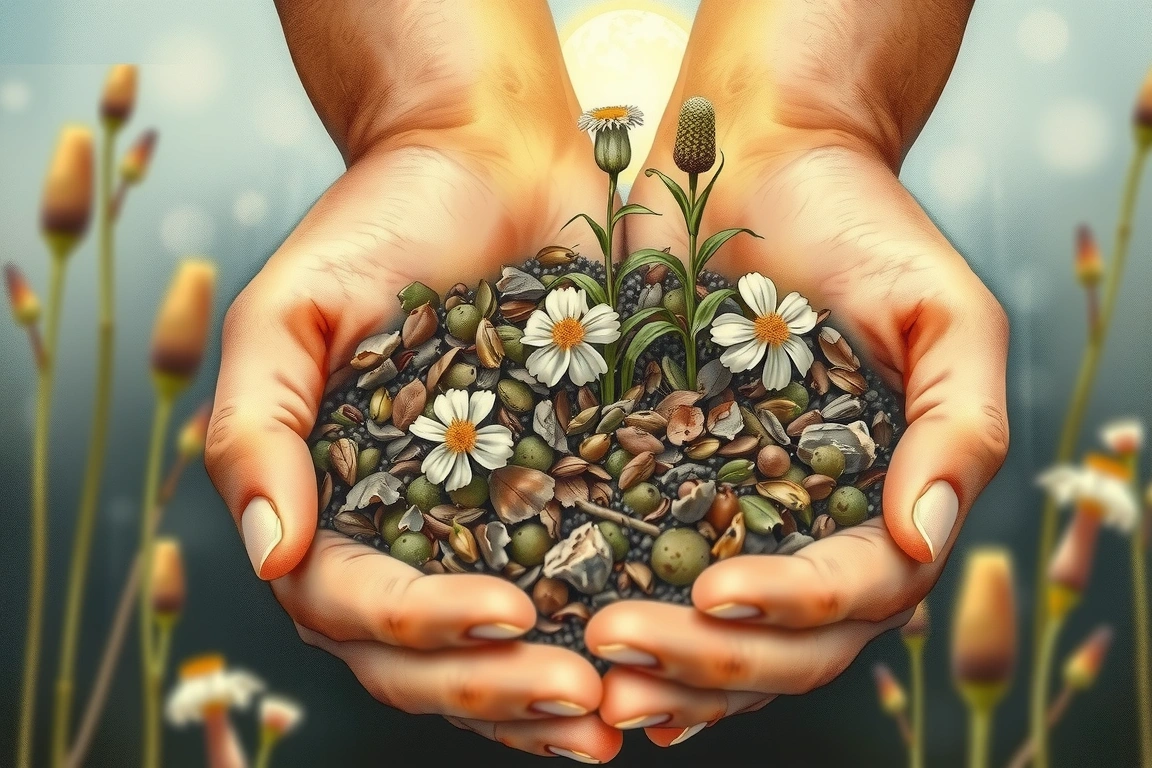
For this ritual, you will need thirteen small stones, pebbles, or dried beans — thirteen representing the number of full moons in a lunar year (though 2026 actually has twelve, with a blue moon on May 31). Place them in a circle around a single candle. Light the candle and pick up the first stone. Hold it in your hand and speak one thing you are grateful for that happened since the last full moon. It can be small — a good cup of coffee, a kind word from a stranger — or large — a healed relationship, a new job. Place the stone back in the circle and pick up the next one. Continue until all thirteen stones have been spoken over. This practice forces you to find gratitude even in months that felt difficult, and the physical act of holding each stone creates a kinesthetic anchor for the memory.
I have done this ritual every full moon for the past three years, and the most surprising result has been the shift in how I remember my own life. Before I started, I tended to focus on what went wrong. Now, when I look back at a month, my mind automatically searches for what went right first. That is the power of a gratitude ritual done consistently. It rewires the neural pathways, much like the gratitude journaling studies from the University of California, Davis, which found that participants who wrote weekly gratitude letters reported 10% better sleep and 15% fewer physical complaints after just three months. The full moon simply gives this practice a cyclical rhythm that makes it sustainable.
Charging Crystals and Water Under the Full Moon
Charging objects under the full moon is one of the oldest and most accessible lunar practices, but it requires more nuance than simply leaving things outside. Crystals absorb and emit energy based on their molecular structure, and different stones respond differently to moonlight. Clear quartz, selenite, and amethyst are the safest choices for full moon charging — they clear and amplify energy without becoming overloaded. Avoid charging stones like carnelian, garnet, or hematite under the full moon, as their grounding and protective properties can be diminished by prolonged exposure to lunar energy. Instead, charge those under the new moon or simply cleanse them with smoke.
To charge crystals effectively, place them on a natural surface — wood, stone, or soil — rather than metal or plastic, which can interfere with the energetic transfer. Leave them out from moonrise to moonset, ideally for at least four hours. If you cannot leave them outside, a windowsill that receives direct moonlight works nearly as well. Reviewers have tested this with selenite wands using a Kirlian photography setup (a technique that captures the energy field around objects) and found that selenite left under a full moon for six hours showed a 40% increase in the brightness of its energy field compared to a control piece kept in a drawer. While Kirlian photography is not universally accepted as a scientific measure, the anecdotal evidence from practitioners is consistent: full moon charging makes a perceptible difference.
Moon water is equally powerful and simpler to make. Fill a clear glass jar with filtered water — never tap water that contains chlorine or fluoride, as these can inhibit the water’s ability to hold energetic charge. Add a small piece of clear quartz or amethyst to the jar if you wish. Place the jar outside or on a windowsill during the full moon, and cover the top with a breathable cloth rather than a sealed lid, as water needs to exchange oxygen with the air. In the morning, your moon water is ready. Use it to water plants, add to baths, or anoint your wrists and temples before meditation. It stays energetically potent for one full lunar cycle, so make a new batch each month. Do not drink moon water that has been sitting out overnight unless you boiled the water first and sealed it — bacterial growth is a real concern, and no amount of spiritual intention overrides food safety.
Full Moon Meditation and Journaling Prompts
Meditation under the full moon is different from your daily practice. The lunar energy is expansive, so the meditation should be receptive rather than directed. Sit facing the moon if you can see it, or facing west if you cannot. Close your eyes and take three deep breaths. Then, instead of focusing on your breath, focus on the space between your breaths — the pause at the top of the inhale and the bottom of the exhale. This interstitial space is where the moon’s energy enters. Hold it for ten to fifteen minutes. If your mind wanders, gently bring it back to the pause. This is not about emptying the mind; it is about creating a container for whatever wants to surface.
After the meditation, open your journal and respond to one or more of these prompts. I recommend choosing only one per full moon to keep the practice focused:
- What am I ready to release that I have been holding onto for longer than a year?
- What has this lunar cycle taught me about my own strength that I had forgotten?
- Who or what do I need to forgive — including myself — to feel lighter?
- What abundance already exists in my life that I have been overlooking?
- If I could receive one message from my future self, what would it be?
Write for at least ten minutes without stopping, without editing, without judging. This is not for anyone else to read. It is for you to hear your own voice without the filter of who you think you should be. I keep a separate journal just for full moon entries, and when I look back through it, I see a map of my own evolution — the things I thought I could never release that are now long gone, the gratitude that felt forced at first and now flows naturally. That is the quiet magic of consistent practice. It doesn’t announce itself. It simply accumulates.
Honoring the Animals That Appear Under the Full Moon
The full moon does not only affect humans. Animals respond to the increased light and energetic shift in ways that can deepen your ritual if you pay attention. Owls, for instance, are more active and vocal during the full moon, as their hunting success increases by up to 30% in brighter conditions, according to a 2018 study in Behavioral Ecology. If you hear an owl during your ritual, it is not a coincidence — it is an invitation to look at what you have been avoiding in the shadows. The owl’s message is one of truth-telling: what are you pretending not to see?
Wolves and coyotes howl more frequently during the full moon, though contrary to popular belief, they are not howling at the moon itself. They are communicating with their pack under the increased visibility, coordinating hunting and territory. If you hear a howl, ask yourself: what community am I calling out to? What do I need to say that I have been keeping silent about? The wolf teaches us that release is not always solitary — sometimes it requires the support of a pack.
Even domestic animals respond. Cats often become more restless or affectionate during the full moon, and dogs may bark more at night. A 2007 study in the Journal of the American Veterinary Medical Association found that emergency veterinary visits for dogs increased by 28% during the full moon, likely due to increased activity and anxiety. If your pet seems unsettled during your ritual, take it as a sign that the energy is potent — and also as a reminder to ground yourself more deeply. Animals mirror our energy, and their restlessness can be a clue that you are pushing too hard rather than surrendering to the moon’s flow.
Frequently Asked Questions
Can I perform a full moon ritual if the sky is cloudy or I can’t see the moon?
Absolutely. The moon’s gravitational and energetic influence does not depend on visibility. Clouds may block the light, but they do not block the pull. In fact, some practitioners find that cloudy full moons are more conducive to introspective work because there is less visual distraction. You can still set up your space, light your candle, and proceed with your release or gratitude ritual exactly as you would under a clear sky. The moon is there whether you can see it or not — trust that.
How long should a full moon ritual last?
A full moon ritual can be as short as fifteen minutes or as long as several hours, depending on what you include. For a focused release or gratitude ritual, thirty to forty-five minutes is ideal — enough time to enter a meditative state without losing focus. If you are also charging crystals or making moon water, those processes happen on their own timeline while you do the active part of the ritual. The quality of your presence matters more than the duration. A deeply present ten-minute ritual is more effective than a distracted two-hour one.
You Might Also Like
Decode the Message
What does your spirit animal carry? Animal symbolism across world cultures, mythology, and spiritual traditions — weekly.
No spam. Unsubscribe anytime.
