
🕐9 min read
In This Article
Spirit Animal Discovery Guide
Find your spirit animal — comprehensive quiz, meanings, meditation techniques, and totem interpretations.
- The Foundation of Spiritual Animal Correspondences
- The Elemental System: Animals and the Four Elements
- Directional Correspondences: The Medicine Wheel Framework
- Chakra Correspondences: Animals as Energy Centers
- Planetary and Astrological Correspondences
- Color and Form Correspondences: The Language of Appearance
- Behavioral and Temperamental Correspondences
- Applying Correspondences in Spiritual Practice
Unlocking the Web of Life: A Complete Guide to Spiritual Correspondences
Spiritual correspondences form the hidden language through which animals communicate their deepest meanings across cultures, traditions, and belief systems. By understanding how animals align with elements, chakras, directions, planetary influences, and archetypal energies, you’ll gain access to a symbolic vocabulary that enriches meditation, divination, ritual work, and personal transformation. This guide maps the intricate web connecting the animal kingdom to the spiritual dimensions of human experience, providing a comprehensive framework for interpreting animal encounters and integrating their wisdom into your spiritual practice.
The Foundation of Spiritual Animal Correspondences
Spiritual correspondences represent the energetic relationships between animals and various metaphysical systems. Unlike simple symbolism—which assigns meaning through cultural narrative or visual association—correspondences operate as functional relationships within established esoteric frameworks. An animal’s correspondence to a specific element, direction, or planetary body isn’t arbitrary; rather, it reflects observed behavioral patterns, habitat characteristics, and archetypal qualities that align with recognized universal principles.
The practice of identifying these correspondences has roots extending back millennia. Indigenous cultures across North America, Australia, and Africa developed elaborate systems mapping animal behavior to seasonal cycles, weather patterns, and spiritual guidance. The traditional Chinese medicine system incorporates animal correspondences within the Five Elements framework, assigning creatures to wood, fire, earth, metal, and water based on their constitutional qualities. Ayurvedic tradition similarly categorizes animals within the three doshas—Vata, Pitta, and Kapha—according to their temperamental and physical characteristics.
Western esoteric traditions, particularly those drawing from Hermetic philosophy and Kabbalah, systematized animal correspondences within more abstract frameworks. The Golden Dawn system, documented extensively in published materials since the 1880s, assigns specific animals to each tarot card, astrological sign, and sephirah on the Tree of Life. These correspondences aren’t decorative; practitioners report that understanding why the lion corresponds to the Sun, or the serpent to Wisdom, deepens the interpretive power of divination and meditation work.
The Elemental System: Animals and the Four Elements
The four elements—fire, water, air, and earth—form perhaps the most intuitive correspondence system. Each element embodies specific qualities that animate certain animals, influencing their habitat, behavior, metabolism, and spiritual signature. Understanding these elemental associations allows you to grasp why particular animals appear in your life during specific seasons or spiritual phases.
Fire animals burn with passion, courage, and transformative power. The lion exemplifies fire’s nobility and centralized strength; the hawk embodies fire’s clarity and swift-striking action. Salamanders, though more mythological than literal, represent fire in its purest elemental form. Actual fire-associated creatures include the red fox, known for cunning speed and adaptive brilliance; the cardinal, whose bright plumage and territorial song announce presence and determination; and the honeybee, whose collective purpose channels fire’s organizing and productive capacity. These animals share fire’s qualities: directness, rapid metabolism, bright visibility, and the capacity to inspire or burn.
Water animals flow with intuition, emotion, and mysterious depth. Dolphins navigate emotional currents with grace and intelligence, while whales carry the profound wisdom of oceanic vastness. The otter embodies water’s playfulness and adaptability. Fish species, from goldfish to salmon, represent water’s essential life-giving capacity and the journey through hidden realms. Water creatures often demonstrate sensitivity to subtle vibrations and currents invisible to other senses. They inhabit realms of darkness and pressure, developing extraordinary sensory capabilities. In spiritual work, water animals guide emotional healing, psychic development, and the navigation of the unconscious mind.
Air animals soar with intellect, communication, and perspective. Eagles command the highest altitudes, embodying vision and divine connection. Owls navigate darkness with piercing awareness, representing wisdom and discernment. Crows and ravens carry air’s trickster intelligence and adaptability. The butterfly demonstrates air’s transformative beauty, moving between worlds with delicate precision. Air animals excel in communication—whether through song, flight patterns, or behavioral display. They naturally live in the realm of visibility and overview, perceiving patterns invisible from ground level. They support mental clarity, creative expression, and the development of perspective.
Earth animals ground spiritual understanding in stability, abundance, and tangible manifestation. The elephant carries earth’s massive strength and long memory. Deer embodies earth’s gentle presence and alert sensitivity to subtle environmental shifts. The bear represents earth’s introspective power and regenerative capacity, particularly through hibernation cycles. Badgers, moles, and rabbits demonstrate earth’s commitment to building secure foundations and creating stable homes. These animals move through solid terrain, building structures, storing resources, and creating lasting impact. In spiritual practice, earth animals anchor spiritual insight into physical reality and material wellness.
Directional Correspondences: The Medicine Wheel Framework
The medicine wheel, a framework originating in numerous indigenous cultures across North America, divides sacred space into four directions, each associated with specific animals, seasons, colors, and spiritual qualities. While variations exist among different nations and traditions, several correspondences appear consistently across published ethnographic research and contemporary practice.
The East typically corresponds to the eagle or hawk, representing spring, new beginnings, clarity, and the dawn. This direction embodies air energy, illumination, and the perspective gained from high vantage points. The South often aligns with the coyote or wolf, representing summer, trust, loyalty, and emotional connection. This direction carries fire energy in its passionate, community-oriented expression. The West frequently features the bear or sometimes the salmon, representing autumn, introspection, healing, and the journey inward. The North typically corresponds to the buffalo or white animal, representing winter, wisdom, stability, and the ancestral realm.
These directional correspondences function as navigational systems for spiritual practice. When you’re facing east and calling upon eagle medicine, you’re literally and symbolically orienting toward clarity and new perspective. Many practitioners incorporate directional correspondences into smudging ceremonies, energy work, and ceremonial circles, positioning themselves or objects according to the qualities they wish to invoke.
Chakra Correspondences: Animals as Energy Centers
The seven-chakra system, widely taught in contemporary Western yoga and energy healing traditions, assigns specific animals to each energy center. These assignments reflect both the anatomical location of chakras and their associated spiritual functions.
The root chakra, located at the base of the spine and associated with survival and grounding, corresponds to the elephant or bear. These large, heavy animals embody the root chakra’s stabilizing power and commitment to physical presence. The sacral chakra, governing sexuality, creativity, and emotional flow, aligns with animals of fluid grace—dolphins, fish, and sometimes the otter. The solar plexus chakra, seat of personal power and will, corresponds to the lion or tiger, animals that command presence through sheer force of being. The heart chakra, center of love and compassion, frequently aligns with the dove, swan, or deer—creatures associated with gentleness, grace, and emotional sensitivity.
The throat chakra, governing communication and authentic expression, corresponds to the lion again (for roaring truth), the wolf (for its vocal communication), or the parrot (for mimicry and varied vocalization). The third eye chakra, located between the eyebrows and associated with intuition and inner sight, aligns with the owl, hawk, or sometimes the serpent. The crown chakra, representing spiritual connection and transcendence, corresponds to the butterfly, hummingbird, or phoenix—creatures that demonstrate transformation and the capacity to exist between worlds.
These correspondences guide chakra meditations and energy healing work. A practitioner working with heart chakra healing might visualize a green dove at the chest center, or call upon deer medicine to support emotional gentleness and wounded-heart recovery.
Planetary and Astrological Correspondences
Western astrology, developed over millennia and systematized extensively in published texts dating to classical antiquity, assigns animals to planets and zodiac signs. These correspondences operate within the framework of planetary rulerships and the qualities each celestial body represents.
The Sun, representing vitality, consciousness, and radiant power, corresponds to the lion—the only animal proud enough to rule without apology. Mercury, governing communication and intellect, aligns with the magpie, crow, or parrot, animals known for intelligence and adaptability. Venus, embodying love and attraction, corresponds to the dove, swan, or sometimes the horse. Mars, representing courage and conflict, aligns with the wolf, tiger, or ram—creatures expressing direct power and competitive drive.
Jupiter, the great benefic representing expansion and good fortune, corresponds to the eagle or eagle-lion chimera, animals suggesting nobility and expansive vision. Saturn, the teacher planet associated with discipline and limitation, aligns with the goat or serpent—creatures climbing toward wisdom through patient persistence or shedding old forms. Uranus corresponds to the peacock or sometimes the zebra, animals suggesting unpredictable beauty and the breaking of conventional patterns. Neptune corresponds to the dolphin or sea creatures, embodying illusion, intuition, and dissolution of boundaries. Pluto corresponds to the phoenix, scorpion, or eagle—creatures associated with death, transformation, and regenerative power.
Zodiac animals carry their own correspondences. Aries, ruled by Mars, naturally corresponds to the ram. Taurus aligns with the bull, embodying stubborn earthiness. Gemini, ruled by Mercury, corresponds to birds or talking animals. Cancer aligns with the crab, a creature carrying its shell and moving sideways. Leo corresponds to the lion, its planetary ruler’s own animal. Virgo aligns with small, useful animals—the squirrel or bee. Libra frequently corresponds to the dove or swan, creatures of partnership and balance. Scorpio aligns with the scorpion, a creature of hidden power and transformative venom. Sagittarius corresponds to the horse or centaur, embodying expansive movement and arrow-like directionality. Capricorn aligns with the goat, climbing toward achievement. Aquarius corresponds to the phoenix or eagle, representing the water-carrier’s future vision. Pisces aligns with fish or sea creatures, embodying dissolution and mystery.
Color and Form Correspondences: The Language of Appearance
An animal’s visual characteristics—coloration, pattern, and form—create direct correspondences to specific spiritual qualities and uses in divination and energy work. A white animal carries purity, spirit contact, and heightened visibility; a black animal embodies mystery, protection, and the unseen. Red animals burn with passion and life force; gold animals radiate divine energy and illumination. Blue animals cool with calm, truth, and communication capacity.
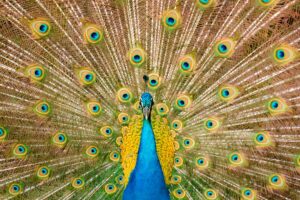
Stripes, spots, and patterns each carry meaning. The zebra’s stark stripes create correspondence to clarity through contrast. The leopard’s spots align with hidden seeing and spotted awareness. The peacock’s eye-patterns correspond to watchfulness and the many-eyed awareness associated with consciousness itself. Feathered animals carry air correspondence and the lightness of perspective. Scaled animals embody the serpent’s correspondence to hidden knowledge and shedding old forms. Furred animals ground in earth energy and the insulating warmth of belonging.
Behavioral and Temperamental Correspondences
Beyond physical characteristics, an animal’s behavior creates powerful spiritual correspondences. Pack animals—wolves, wild dogs, elephants in their matriarchal herds—correspond to community, loyalty, and the strength of collective purpose. Solitary hunters—leopards, owls, snakes—correspond to independence, focused intention, and the power of undivided attention. Prey animals—deer, rabbits, antelope—carry the correspondence of heightened awareness and the sensitivity required to navigate danger.
Migratory animals correspond to cyclical renewal and the courage required to leave familiar territory. The salmon’s upstream journey corresponds to persistence against resistance and the return to origins. Territorial animals correspond to boundary-setting and the establishment of sacred space. Nocturnal animals correspond to intuition, inner sight, and the navigation of darkness. Diurnal animals correspond to clarity, visibility, and the transparency of action.
An animal’s diet creates correspondence as well. Carnivores embody power, focused intention, and the taking of life force. Herbivores embody gentleness and the reception of nourishment from earth. Omnivores embody adaptability and resourcefulness. Nectar-eaters like hummingbirds and butterflies correspond to sweetness and the drawing of pleasure from difficult-to-reach sources.
Applying Correspondences in Spiritual Practice
Understanding spiritual correspondences transforms animal encounters from random events into meaningful guidance. When a hawk appears repeatedly, recognizing its correspondence to the East, air element, vision, clarity, and Mercury’s communication can deepen your interpretation. You’re being invited not simply to “pay attention,” but to gain a specific type of clarity: perhaps perceiving your situation from a higher perspective, or communicating a truth you’ve been avoiding.
In divination work, animal cards gain layered meaning when you understand their elemental, directional, planetary, and chakra correspondences. A reading featuring the bear might indicate earth-grounded wisdom appearing in a solar plexus position (personal power), suggesting you need to trust your intuitive knowing about a power dynamic. The same bear in a heart chakra position suggests emotional strength and the capacity to move through grief with dignity.
In energy healing and meditation, calling upon animal correspondences amplifies your focus. A practitioner addressing root chakra instability might visualize an elephant at the base of the spine, grounding and stabilizing. Someone working with throat chakra blockage might invoke wolf medicine, facilitating authentic roaring and vocal power. These aren’t decorative visualizations; practitioners report that the resonance between the animal’s actual energetic signature and the energetic needs of the chakra creates genuine shifts in physical sensation and emotional release.
Ritual work similarly benefits from correspondence understanding. A ceremony for new beginnings naturally invokes east-facing directions and eagle medicine. A protection ritual draws upon north and bear medicine. A healing ritual calls upon water animals and heart-chakra dove energy. When you understand why specific animals correspond to specific intentions, your ritual focus becomes more refined and your energetic transmission more coherent.
The web of life becomes visible when you understand that the hawk soaring overhead at dawn shares correspondence with your own awakening clarity, that the bear hibernating speaks to your need for restorative retreat, that the dolphin’s grace mirrors the emotional intelligence you’re developing. Spiritual correspondences reveal that the animal kingdom isn’t separate from your spiritual journey—it’s the map, the guide, and the reflection of your own unfolding transformation.
You Might Also Like
Decode the Message
What does your spirit animal carry? Animal symbolism across world cultures, mythology, and spiritual traditions — weekly.
No spam. Unsubscribe anytime.
