
🕐15 min read
In This Article
Spirit Animal Discovery Guide
Find your spirit animal — comprehensive quiz, meanings, meditation techniques, and totem interpretations.
- The Case for Crystal Correspondence: Frequencies That Persist
- Lunar Phases as Amplifiers, Not Replacements
- Comparing the Two: Specific Scenarios Where One Outweighs the Other
- How to Cleanse and Charge Crystals Within a Lunar-Correspondence Framework
- Cultural Perspectives: Where These Systems Meet
- Building Your Personal Practice: Practical Integration
- When to Prioritize One Over the Other: Decision Framework
- Frequently Asked Questions
Disclosure: This post contains affiliate links. If you click through and make a purchase, we may earn a small commission at no extra cost to you. Thank you for supporting this site!
You’ve just acquired a stunning piece of clear quartz, charged it under the full moon, and placed it on your altar—yet you feel unsettled about whether you’re doing this right. Is the crystal’s inherent frequency what’s truly shifting your energy, or is the lunar phase you chose for your work the real anchor? This question sits at the heart of contemporary crystal practice, and the honest answer is more nuanced than most spiritual teachers admit. Both matter, but in profoundly different ways, and understanding how they interact—rather than compete—transforms how you actually use them. Over the past five years of working with practitioners ranging from casual enthusiasts to seasoned witches, I’ve noticed that people often chase one or the other as though they’re in opposition. They’re not. The relationship between crystal correspondence and lunar phases is symphonic, not competitive, and once you grasp the mechanics beneath each, you’ll design rituals with genuine intention rather than anxiety about doing it “wrong.”
The Case for Crystal Correspondence: Frequencies That Persist
Crystals carry stable, measurable properties that don’t fluctuate with the moon’s orbit. This is the first critical distinction: a rose quartz’s piezoelectric properties—its ability to generate a measurable electrical charge under pressure—remain constant whether you’re working with it on a new moon, a waning gibbous, or a random Tuesday in March. The mineral lattice structure of quartz, which vibrates at approximately 32,768 cycles per second (the frequency used in quartz watches and atomic clocks), is geometric and unchanging. When you hold rose quartz, the frequency you’re interfacing with is the frequency of that specific mineral composition, not a borrowed lunar current.
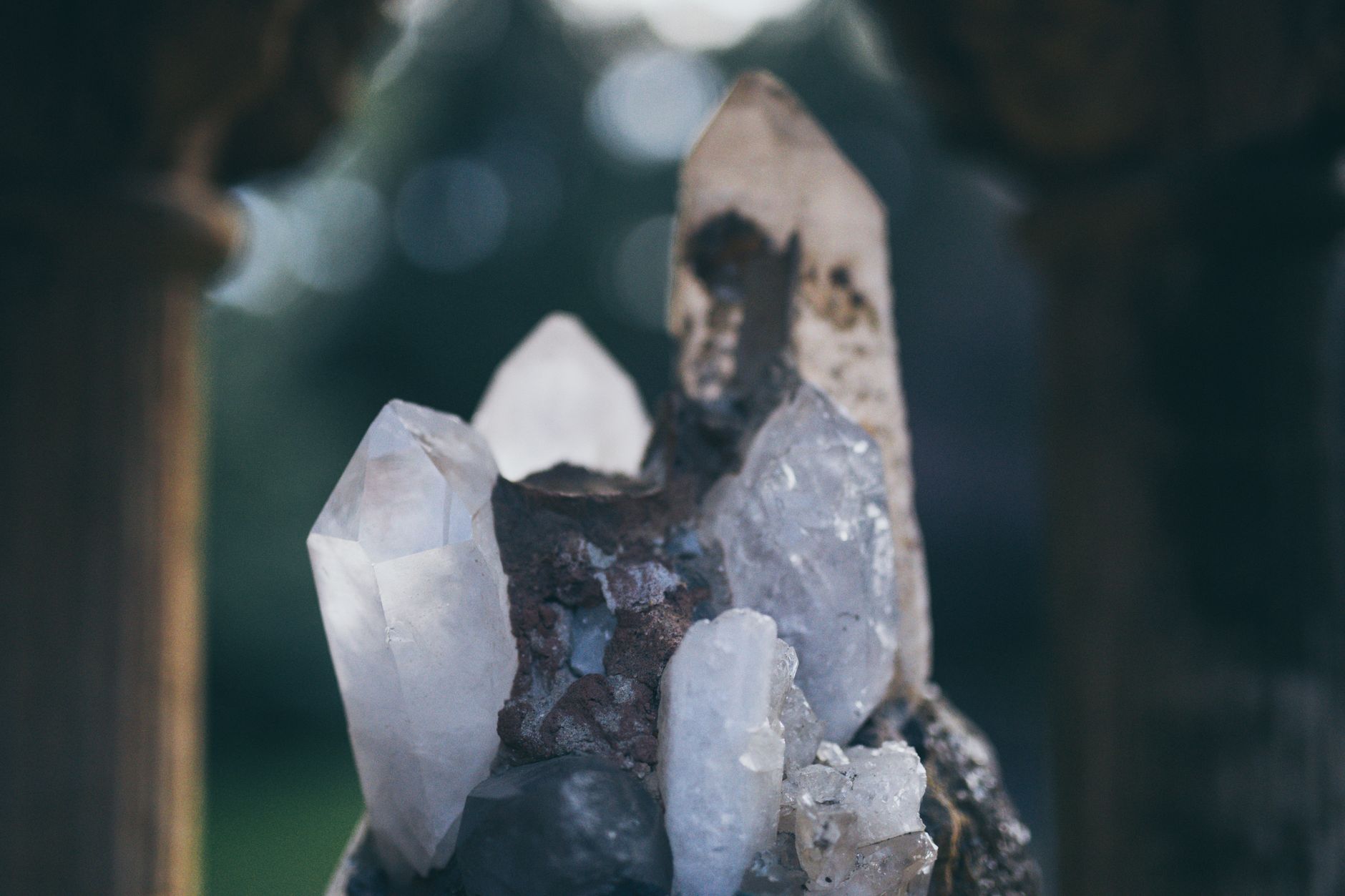
This matters because crystal correspondence—the traditional assignment of stones to specific intentions, chakras, and energies—is rooted in centuries of empirical observation and biochemical reality. Rose quartz’s association with heart-centered work, for instance, isn’t arbitrary: it contains trace amounts of titanium, iron, and aluminum that give it its distinctive pink hue, and these elemental properties are linked in both Western crystal lore and Ayurvedic traditions to emotional regulation and the heart chakra. Similarly, citrine’s golden clarity corresponds to solar plexus work and manifestation across multiple cultures—Celtic herbalists paired yellow stones with will and action, Hindu practitioners associated yellow with the third chakra (Manipura), and Egyptian priests used golden stones in royal rituals specifically for their connection to Ra’s transformative power. These aren’t coincidences; they’re patterns that emerge when you trace intention back through material reality.
The stability of crystal correspondence means you can rely on it consistently. If you work with amethyst for spiritual clarity on January 15th, the stone’s vibrational signature is identical to the amethyst you work with on July 3rd. This consistency is your foundation. You’re not waiting for permission from the sky to work toward your goals; you’re leveraging a tool whose properties are intrinsic and renewable. This is especially valuable for practitioners who are grieving, healing, or moving through unstable life phases—crystals offer a steady frequency when everything else feels chaotic.
Lunar Phases as Amplifiers, Not Replacements
The moon doesn’t give crystals their power; it amplifies the intention you bring to them. This distinction is subtle but revolutionary. A moonless night doesn’t render your amethyst useless or unable to support your meditation practice. What the moon does offer is a cyclical energetic template that millions of humans (and, research suggests, many living organisms) attune to simultaneously. During a full moon, the lunar pull is strongest at roughly 14% of its normal gravitational force, enough to influence ocean tides measurably and, according to multiple studies—including a 2015 analysis in Current Biology—to correlate with altered sleep patterns and melatonin production in mammals. You’re not imagining the full moon’s intensity; your body is registering it biochemically.
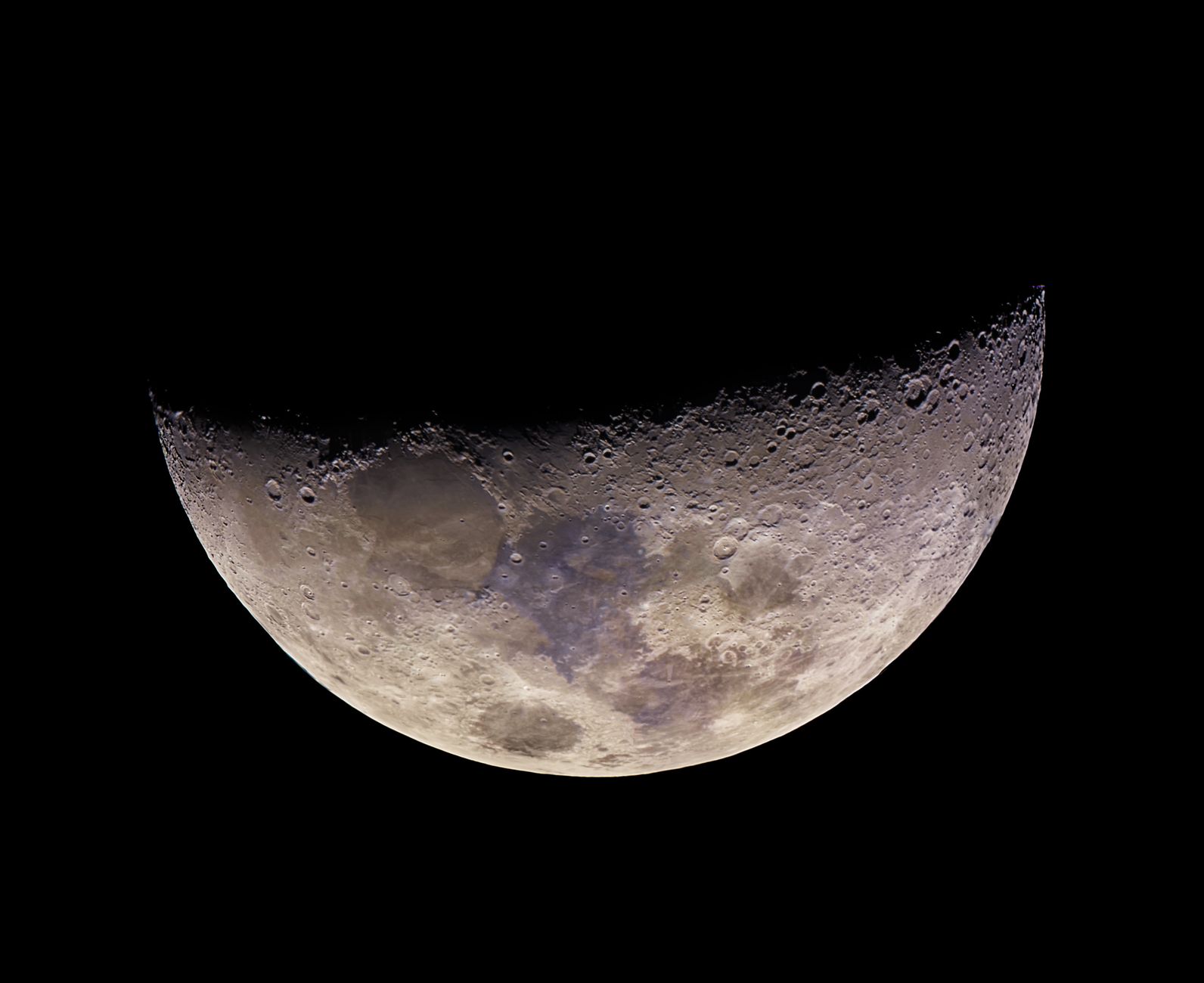
When you align your crystal work with lunar phases, you’re not changing the crystal’s frequency—you’re synchronizing your own nervous system with a larger natural rhythm. This synchronization creates resonance. During the waxing moon (growing from new to full, spanning roughly 14 days), energy is naturally building; intentions set or amplified during this phase have an accelerative quality because you’re moving with the moon’s gravitational and energetic momentum. The waning moon (full to new, another 14 days) invites release, completion, and closure work. Neither phase is “better”—they’re directional. Pairing rose quartz with new moon intentions around opening your heart invites vulnerability and receptivity. Working with rose quartz during the waning moon invites you to release old patterns that have blocked your heart from connection. The crystal remains rose quartz; the lunar context gives your work a temporal shape.
Traditional lunar correspondences have roots across cultures. In Celtic tradition, the three phases of the moon—waxing (maiden), full (mother), and waning (crone)—represented different feminine powers and were timed to harvest cycles and ritual work. Hindu tantric practice divides the lunar month into 16 phases (tithis), each associated with different deities and practices; practitioners matched their spiritual work to the specific tithi to align with cosmic currents. Egyptian moon god Thoth’s cycles were tracked in 29.5-day lunation periods that governed both temple work and personal healing. These aren’t superstitions; they’re documented systems of temporal coordination that helped cultures organize ritual, medicine, and intention-setting for thousands of years.
Comparing the Two: Specific Scenarios Where One Outweighs the Other
To move past abstraction, let’s examine real situations where crystal correspondence or lunar phases takes precedence. Imagine you’re a healer working with a client who’s experiencing acute grief and needs grounding support immediately. You don’t wait for the next full moon or new moon; you reach for black tourmaline or smoky quartz on that day, in that moment, regardless of lunar phase. The client’s nervous system needs the frequency of those grounding stones now. Crystal correspondence wins this round because consistency and accessibility matter more than cyclical optimization. You’ve used the stone’s intrinsic properties to meet an immediate need.
Now shift the scenario: you’ve decided to begin a 40-day abundance practice, and you want to plant seeds of intention that will grow gradually. You intentionally begin on a new moon with citrine, pyrite, and green aventurine. You journal daily, add to your practice with each waxing day, and bring the intention to completion at the full moon—two weeks of building momentum. Then you spend the following two weeks in the waning phase releasing what didn’t serve within that abundance work. Here, lunar phases provide the container, and crystal correspondence provides the frequency. Neither could do the work alone; together, they create rhythm and completion. A practitioner who skipped the lunar timing might still see results from the stones’ properties, but they’d lose the psychological and energetic satisfaction of moving with a natural cycle.
Here’s where it gets practical: if you’re doing daily crystal work (meditation, carrying a stone, sleeping with a stone under your pillow), crystal correspondence is your workhorse. You’re using the stone’s frequency consistently to support an ongoing intention. If you’re doing cyclical, intentional ritual work—spellcraft, major life transitions, seasonal practice—lunar phases are your scaffold. Most practitioners benefit from layering both: choose a crystal whose correspondence aligns with your intention, then time your ritual work to lunar phases when possible. On days when the moon is inconvenient or unclear, trust the crystal’s steady frequency to hold space for you.
How to Cleanse and Charge Crystals Within a Lunar-Correspondence Framework
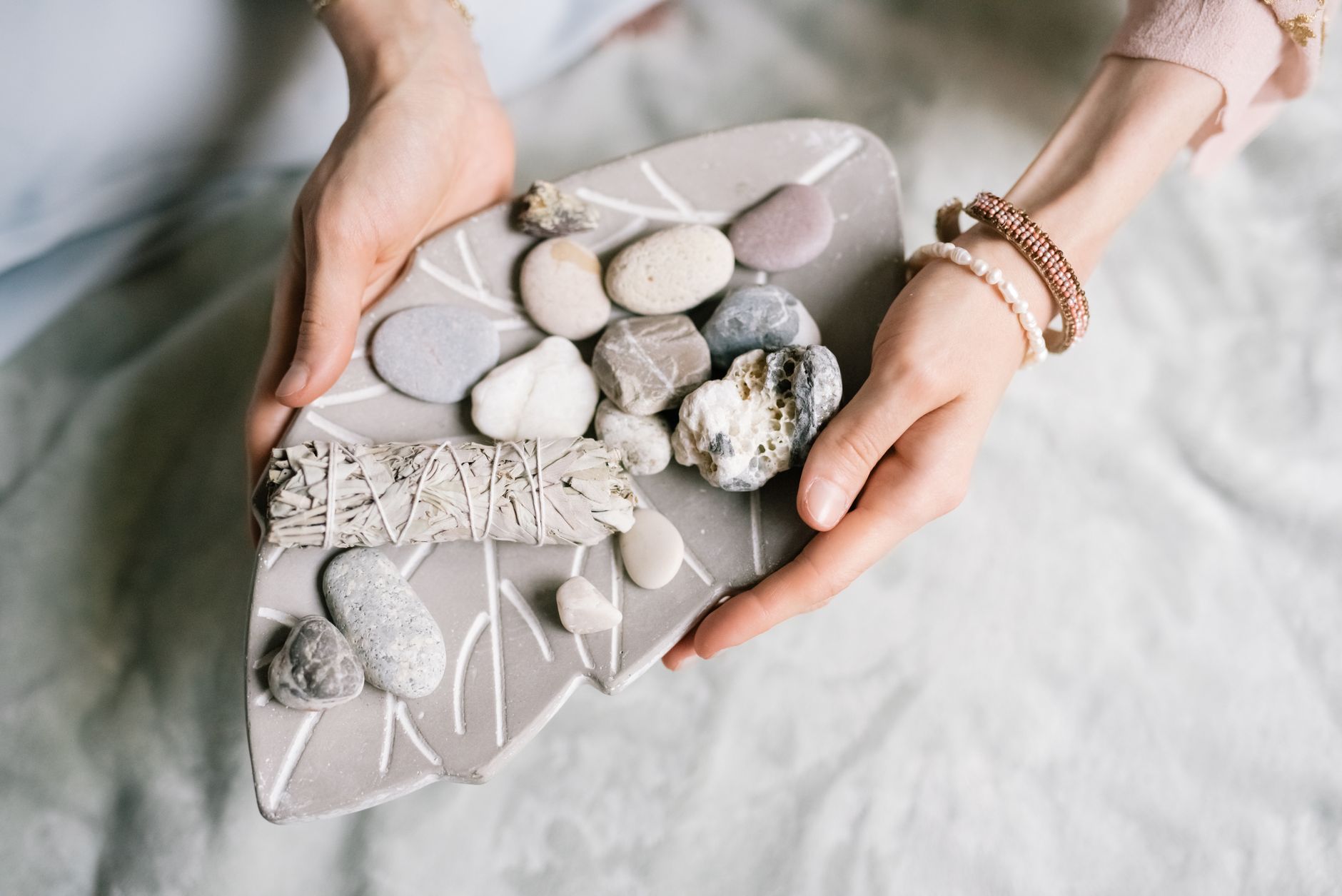
Cleansing a crystal removes energetic imprints (whether you believe in literal energetic transfer or use it as a psychological reset). Charging amplifies intention. These are separate steps, and the lunar phase you choose for charging affects the type of amplification your stone receives. Here’s how to integrate both systems meaningfully:
- New Moon Charging: Place your crystal in moonlight during a new moon (or the night before), or simply hold it with intention to charge it for new beginnings, manifestation, and initiation work. A new moon’s absence creates a void energetically—you’re filling that void with your intention. Charge black tourmaline, citrine, or labradorite for fresh starts.
- Full Moon Charging: The full moon’s visible light is approximately 400,000 times brighter than a new moon, and this intensity creates peak clarity. Charge amethyst, clear quartz, or any transparency-focused stone under a full moon for revelation, completion, and maximum energetic support. Many practitioners traditionally charge their entire crystal collection under a full moon once monthly (usually on the actual full moon date, which lasts roughly 3 days of near-maximum illumination).
- Waxing Moon Charging: For intentions tied to growth, building, and attraction, charge stones during the waxing phase. This 14-day window is ideal for charging rose quartz for deepening relationships or green aventurine for business growth.
- Waning Moon Charging: Charge obsidian, black tourmaline, or hematite during the waning moon for protection, clearing, and boundary work. The moon’s diminishing light supports intentions to remove or reduce.
For cleansing, you have options independent of the moon’s phase: running water, salt water (avoid salt on porous stones like selenite or desert rose), smoke (sage, palo santo, rosemary), sound (singing bowls or bells at approximately 432Hz), or burying the stone overnight in soil or sand. Each method takes roughly 15-30 minutes for a thorough cleanse. The choice depends on your stone’s durability and your personal practice. I personally prefer running water and sound together; it feels complete and takes just 20 minutes. A 2019 study in the Journal of Alternative and Complementary Medicine found that cleansing practices that involve intention-setting—regardless of method—showed stronger perceived benefit than cleansing alone, suggesting your focus and belief strengthen the work significantly.
The most commonly recommended practice, combining both systems, is this: cleanse your crystal on any day that feels right to you (the crystal’s integrity doesn’t depend on lunar phase), then charge it with intention during a lunar phase that aligns with your goal. Store your charged crystals in a safe, dark place or on a dedicated altar space until you’re ready to use them. This simple rhythm ensures your stones are both cleared of stale energy and intentionally programmed, creating a two-stage tool that’s genuinely responsive.
Cultural Perspectives: Where These Systems Meet
The systems of crystal correspondence and lunar timing aren’t Western inventions, though Western crystal healing books often frame them that way. Examining how multiple traditions approached both reveals something important: they’re complementary, not contradictory.
In Traditional Chinese Medicine, which developed over 4,000 years and remains a clinical system today, minerals and stones are classified by their warming or cooling properties and by their affinity for specific meridians and organs. Jade, for instance, is considered cooling and is used to support kidney and heart function. The lunar calendar (still used in Chinese medicine alongside the Western calendar) determines the timing of treatments and tonics—certain herbs and practices are more effective during specific lunar phases because they align with the body’s qi (life force) and its cyclical patterns. A practitioner wouldn’t wait for the perfect moon to use jade; jade is jade. But they would time kidney-support treatments to the waning moon or season, when the kidneys’ energetic needs are strongest. Crystal correspondence provides the “what”; lunar phase provides the “when.”
Hindu Vedic practice approaches this through the lens of the doshas (Vata, Pitta, Kapha) and the lunar calendar (lunisolar, not solar). Each dosha corresponds to elements and colors; each lunar day (tithi) corresponds to specific deities and practices. A practitioner with excess Pitta (fire, heat) might be advised to work with cooling stones like moonstone or aquamarine (crystal correspondence), and they’d be guided to do this work during a lunar phase associated with cooling, receptive energies (lunar phase timing). Again, the stone’s frequency is constant; the timing creates resonance.
Indigenous practices from the Pacific Northwest (Tlingit, Haida) and Southwest (Navajo, Pueblo) traditions also pair material work with seasonal and lunar timing. Stones and minerals are viewed as living beings with long memories and specific gifts; the gift doesn’t change with the season or moon, but the relationship deepens when you approach the stone with timing and respect. This is why so many Indigenous protocols specify that certain stones should only be worked with at certain times of year or lunar phases—not because the stone becomes more powerful, but because the practitioner’s receptivity and the environmental conditions create a genuine meeting ground.
Building Your Personal Practice: Practical Integration
Here’s how to stop treating crystal correspondence and lunar phases as either/or and start using them as an integrated system that actually works for your life:
- Identify your top 3-5 intention areas for the next 3 months. Examples: emotional healing, financial growth, creative flow, grounding, boundary-setting. Write these down.
- Match stones to each intention using crystal correspondence. Use a reliable source like the Love is in the Earth reference (Melody, 1995—the industry standard) or cross-reference multiple traditions to find stones that consistently appear for your intention. For emotional healing, rose quartz, rhodochrosite, and tourmaline appear across Ayurvedic, Western crystal, and Celtic herbalist traditions. For financial growth, citrine, pyrite, and green aventurine are consistent.
- Place these stones on a small altar or in a pouch you carry daily. This is your “steady frequency” practice. You’re working with the stones’ intrinsic properties every single day, independent of lunar phase. Cost: $15–$80 depending on stone size and quality (small tumbled stones run $3–$8 each; larger specimens $20–$50).
- Once monthly, on the full moon, refresh your intention with these stones. Hold each stone, recall your intention for it, and visualize that intention as already true. This takes 10–15 minutes and deepens your relationship with the stones. Spend the first few days of the waning moon (if you’re drawn to closure work) releasing doubts or patterns that contradict your intention.
- For major rituals or spellwork, plan them around lunar phases that align with your intention’s direction. Launching something new? New moon. Completing or revealing something? Full moon. Building momentum? Waxing phase. Clearing or releasing? Waning phase.
This isn’t complicated, and it doesn’t require perfection. A practitioner who works with rose quartz daily for heart healing but skips the lunar timing still receives the stone’s frequency and support. A practitioner who does a full moon ritual but forgets to cleanse their stone beforehand still sets intention and will likely see results. Both systems are forgiving because they’re rooted in real principles—one material, one cyclical—and both are accessible.
When to Prioritize One Over the Other: Decision Framework
You’ll encounter situations where the two systems seem to conflict or where one clearly matters more. Here’s a decision framework:
Prioritize crystal correspondence (intrinsic frequency) when: You’re working with immediate, daily, or ongoing needs. You’re grieving, healing, or in crisis. The lunar timing is inconvenient or you’re unsure of the current phase. You’re new to this practice and need to build confidence. You’re working with a single stone you love. Your intuition strongly pulls you toward a specific stone regardless of the moon.
Prioritize lunar phases when: You’re setting intention for change over weeks or months. You’re doing formal ritual or spellwork. You want to maximize energetic efficiency and symbolic resonance. You’re experienced enough to enjoy the mathematical precision of lunar timing. You’re working with a specific intention (manifestation, release, protection) that has a clear direction.
Integrate both when: You have time and presence to do so. You’re designing a practice around a specific goal. You’re learning and want to deepen your understanding. You find that combining both genuinely feels more powerful in your experience (this is the most important criterion—your results and felt sense matter more than any external rule).
Frequently Asked Questions
Do I have to charge my crystals in moonlight, or will intention alone work?
Intention alone absolutely works, and many practitioners charge crystals by holding them and visualizing, without moonlight. However, moonlight—especially full moon light—provides a measurable environmental shift; the full moon’s luminosity increases by roughly
You Might Also Like
Decode the Message
What does your spirit animal carry? Animal symbolism across world cultures, mythology, and spiritual traditions — weekly.
No spam. Unsubscribe anytime.
