
🕐16 min read
In This Article
Spirit Animal Discovery Guide
Find your spirit animal — comprehensive quiz, meanings, meditation techniques, and totem interpretations.
- The Fixed Spirit Animal Myth: Where It Comes From
- How Spirit Animals Actually Shift: Three Proven Patterns
- Real Animal Behavior: Why the Symbols Shift With You
- Recognizing When Your Spirit Guide Is Shifting
- Cultural Perspectives on Evolving Spirit Guides
- When Your Longtime Guide Stays—And Why That Matters
- The Mechanics of Transition: How to Welcome a New Guide
- When to Question a Shift vs. When to Embrace It
- Spirit Animals as a Living Relationship, Not a Fixed Identity
- Practical Meditation: Meeting Your Evolving Guide
Most spiritual seekers hold a quiet assumption: that when you discover your spirit animal, you’ve found a permanent cosmic match—a fixed emblem of your soul that remains constant throughout your life. But what if that’s only half the story? What if your spirit guide is less like a lifelong passport and more like a living companion who grows, shifts, and sometimes even steps back to make room for new teachers? This isn’t a failure to hold onto your original connection; it’s actually a sign of spiritual maturity. Your relationship with your animal guides mirrors the seasons of your own becoming—and recognizing when that relationship transforms is one of the most profound gifts of working with spirit animals at all.
The Fixed Spirit Animal Myth: Where It Comes From
The idea that you have one singular, unchanging spirit animal often traces back to a flattened, romanticized version of indigenous spiritual practice—particularly how Western New Age culture repackaged Native American and other indigenous traditions in the 1980s and 1990s. What began as genuine, place-based, lineage-specific animal relationships within specific cultures got distilled into something resembling a personality type assignment: “discover your spirit animal through this quiz” became the spiritual equivalent of a Myers-Briggs test. The problem? Real indigenous traditions—whether Navajo, Lakota, Celtic, or Japanese—never conceived of spirit animals this way. These weren’t fixed cosmetic identifiers but dynamic, relational bonds that shifted with season, life stage, and spiritual need.
The fixation on permanence also reflects a deeper Western cultural bias toward stability and lasting ownership. We like things that don’t change—our names, our job titles, our identities feel more “real” when they’re consistent. But nature itself teaches the opposite: every organism, every ecosystem, adapts or dies. A hawk doesn’t remain a hawk year-round in every ecosystem—it migrates, molts, hunts differently in winter than summer. Your spirit animal guides operate from the same logic. They’re not decorative totems pinned to your soul. They’re intelligent presences that respond to where you are, what you’re learning, and what you’re becoming.
How Spirit Animals Actually Shift: Three Proven Patterns
After working with spirit animals for some years—both through personal practice and guided work with others—I’ve noticed three consistent patterns in how these relationships evolve. The first is life-stage transitions. When you move through major passages (adolescence to adulthood, single to partnered, employed to self-employed, healthy to dealing with chronic illness), your spiritual allies often change too. The bear who guided you through your late teens—representing introspection, hibernation, and turning inward—may step back when you’re called into visibility and leadership, making room for the eagle or wolf. This isn’t rejection. It’s completion. The bear taught you what you needed; now another teacher arrives with new lessons.
The second pattern is skill and shadow work deepening. Many people come to spirit animals during a crisis or pivot point: heartbreak, burnout, spiritual awakening, grief. The animal that appears then (often through dreams, repeated encounters, or meditation) addresses exactly that wound. A woman processing infidelity might be drawn to the swan—associated with grace, fidelity, and emotional beauty—or to the serpent, symbolizing shedding, renewal, and reclaiming power. As that particular healing matures, as she integrates the lesson, a new animal may emerge to guide her into the next layer of becoming. The swan or serpent doesn’t disappear from her spiritual vocabulary; they become allies she can call on. But her primary guide evolves.
The third pattern is seasonal and cyclical. This one’s less discussed but crucial: your main spirit guide might shift with the turning year or with longer cycles of 7 or 13 years. Celtic tradition specifically acknowledges this, with different animal allies corresponding to different seasons and festivals. In spring, you might work closely with the hare—associated with fertility, swift new growth, and the unpredictable (hares leap in seemingly chaotic patterns). By deep winter, the owl becomes your primary guide: silent, penetrating, seeing in darkness. Neither is “your” animal; both are. You’re learning to attune yourself to the pulse of the earth itself.
Want to decode more?
Free weekly — no spam, unsubscribe anytime.
Real Animal Behavior: Why the Symbols Shift With You
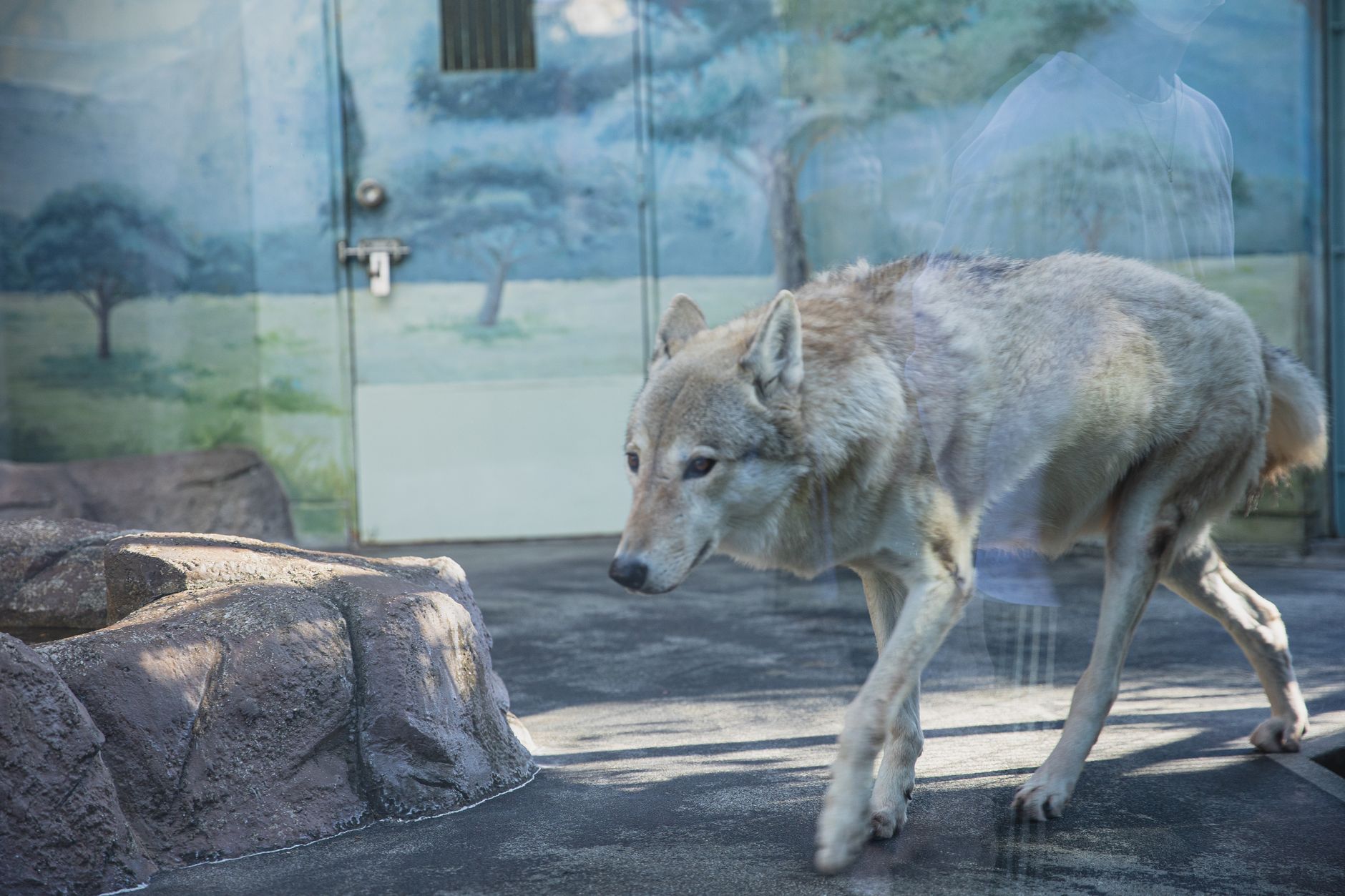
One reason spirit animal relationships feel so alive is that real animal behavior actually does reflect human psychological and spiritual states in profound ways. Consider the wolf, one of the most misunderstood spirit guides in Western culture. For decades, wolves were portrayed as vicious loners (thanks, fairy tales). Modern behavioral science shows us something richer: wolves are deeply social, hierarchical creatures with strong pack bonds, sophisticated communication, and complex grief responses. When someone is healing from isolation or learning collaboration, the wolf often appears as a guide—not because wolves are “lone hunters,” but because they teach genuine pack dynamics and belonging. But once someone has integrated that lesson? Once they understand their place in community, the wolf’s primary teaching is complete. A crane or raven might step forward next, teaching different aspects of consciousness and communication.
Migratory animals are particularly instructive here. The monarch butterfly—famous for its multi-generational migration spanning 2,000+ miles—represents radical transformation and trust in guidance you won’t live to see completed. Someone working through a long, generational family trauma might connect deeply with the monarch’s lesson. But once that specific cycle of work is done, once they’ve planted seeds their own children will harvest, another animal guide often emerges. The salmon, which swims upstream against all odds to reach its spawning ground, teaches determination and homecoming—but it’s a one-time journey. The animal teaches what the animal does, and once you’ve integrated that teaching, you’re ready to learn from another teacher.
Recognizing When Your Spirit Guide Is Shifting
The signs that your primary spirit animal is transitioning are usually subtle but consistent. First, you’ll notice diminished resonance: when you think of your longtime guide or encounter it unexpectedly, you don’t feel that spark of recognition or rightness anymore. It’s not disappointing—it’s neutral, like an old friend you’re genuinely glad to have known but don’t need to see daily. You might still feel affection for that animal, still call on it for specific wisdom, but the urgency of connection fades. This isn’t a loss; it’s a completion.
Second, watch for repeated new encounters. Spirit animals often announce themselves through synchronicity: you see the same animal repeatedly across three or more separate contexts. Maybe you spot a red fox on a walk, then watch a documentary featuring foxes, then draw the fox card in tarot the same week. The fox is knocking on your door. Foxes teach discernment, cunning, and strategic thinking—qualities you’re being called to develop. Pay attention when an animal shows up in this tripled or tripled-plus way over 2-4 weeks. That’s rarely coincidence. That’s an introduction.
Third, your dreams shift focus. If you’ve been dreaming of your longtime guide for years and suddenly those dreams stop, while a new animal begins appearing in dreams instead, your spiritual allies are changing their rotation. Keep a simple dream log for 2-3 weeks if you suspect a shift—just jot down what animals appeared and the feeling-tone of the dream. A pattern will emerge. Additionally, notice shifts in your actual life circumstances: major decisions you’re facing, new creative projects, relationships that are evolving. Your spirit animals don’t exist in a vacuum; they respond to real changes in your reality. When life moves, your guides adjust.
Cultural Perspectives on Evolving Spirit Guides
Celtic and Druidic traditions were perhaps the most deliberate about this. Rather than a single lifelong totem, Celtic spirituality recognized the “Crann Bethadh” (Tree of Life) for each person—a specific tree based on birth date—but also acknowledged animal allies specific to each season and life stage. A Druid might have worked with the salmon (representing wisdom and knowledge) during study years, the boar (courage and wildness) during a warrior or transformation phase, and the crane (contemplation and poetry) during later teaching years. The animals weren’t fixed; they matched the person’s unfolding path.
Lakota and broader Native American traditions similarly recognized what we might call “animal helpers” rather than singular spirit animals. These weren’t discovered once and shelved; they were relationships cultivated through vision quests and ceremony, and they shifted as the person’s responsibilities and spiritual work changed. A young person might receive different animal guides during their first vision quest than they would during subsequent ceremonies as they aged and took on different roles in their community. The animals were teachers responding to the student’s current need and readiness. This is fundamentally different from “finding your spirit animal” as a one-time identification.
Hindu and yogic traditions approach this through the lens of dashas (planetary cycles) and chakras (energy centers). Different animals correspond to different chakras and life phases. You might work with the lion (symbol of Aries courage and the solar plexus chakra) during a phase of reclaiming personal power, but move into owl medicine (Third Eye chakra, penetrating insight) as your spiritual practice deepens. The teaching is explicit: your spiritual guides are meant to evolve with your inner work. There’s no shame in outgrowing a guide; it’s the whole point.
Japanese and East Asian traditions honor this through the zodiac cycle itself—you have not just a birth sign but signs for different years and hours. Your main guide might shift with the 12-year cycle, or as you move through different life stages recognized in Daoism: childhood (associated with water and the tortoise), young adulthood (the dragon), middle years (the phoenix), and elder years (the crane). Again: the teaching is baked in. Your guides are meant to change.
When Your Longtime Guide Stays—And Why That Matters
It’s important to acknowledge that some people do maintain a consistent primary spirit guide throughout their lives, and that’s valid too. This usually happens when the original guide’s teaching is so fundamental to who you are, so aligned with your soul’s core work, that you keep returning to it even as other animals come and go. Someone whose life work is about protection and fierce mothering might have the mother bear as a consistent primary guide while still working with hawks, wolves, and serpents in different contexts and seasons. The bear doesn’t exclude other allies; it just remains the anchor point.
The difference between a genuine lifetime guide and a guide you’ve simply failed to outgrow is worth examining. Ask yourself: Do I still feel alive when I work with this animal, or am I working with it out of loyalty or habit? Does this guide’s teaching address current challenges, or only past ones? When I encounter this animal unexpectedly, is it a joyful recognition or a comfortable but distant acknowledgment? If you’re working with an animal out of obligation rather than resonance, there’s permission here to release it with gratitude. Thank it for what it taught you. Let it become a supporting guide rather than your primary one. Real spiritual work requires you to be honest about what serves your growth right now.
The Mechanics of Transition: How to Welcome a New Guide
When you sense a shift coming—or notice a new animal persistently knocking at your consciousness—don’t panic or cling to the old guide. Instead, approach the transition with intention. Start by honoring your longtime guide. This doesn’t require a formal ritual, though you can do one if that feels right. It might be as simple as sitting quietly with an image or carving of that animal and genuinely saying: “Thank you for the years you guided me. Thank you for teaching me [specific thing]. I’m ready to learn from new teachers now, and I hold you always in gratitude.” This isn’t goodbye; it’s acknowledging that this chapter has completed.
Next, actively welcome the new guide. Research the animal. Learn its real behaviors: where it lives, how it hunts or gathers, what season it’s most active, what it sounds like. This grounds your spiritual work in actual nature rather than symbolism alone. Read myths and folklore about this animal in various cultures—not to cherry-pick meanings, but to understand the breadth of its teaching. Then, meditate or journey to meet it. You can do this through guided visualization (there are excellent free options on YouTube), shamanic journeying if you have training, or simply sitting quietly and asking: “What do you have to teach me right now?” Don’t force an answer. Sometimes the answer unfolds over days or weeks.
Create a small physical anchor if it helps: a carved stone, a feather, a drawing, a photo. Place it somewhere you’ll see it regularly. This isn’t superstitious; it’s a visual reminder to stay attuned to this ally’s presence and teachings. Notice where this animal shows up in your life over the next 4-6 weeks. Do you see it more often? Read about it by chance? Have dreams featuring it? These aren’t signs you’re “doing it right”—there’s no wrong way. But they do represent your consciousness beginning to organize around this new relationship.
When to Question a Shift vs. When to Embrace It
Not every new animal that appears is a new spirit guide. Sometimes you’re just learning a lesson about that specific animal, or processing imagery from media you’ve consumed, or noticing a real animal in your local ecology for the first time. A discernment practice helps here. Genuine spirit guides tend to show up repeatedly and persistently over time, feel numinous (charged with meaning, a bit uncanny), and their teachings address exactly what you’re working on internally. A random encounter with a deer doesn’t make the deer your guide; a series of encounters with deer, coupled with dreams, synchronicities, and a growing sense that gentleness and sensitivity are exactly what you need to develop right now—that’s different.
Also pay attention to ego versus soul alignment. If you’re chasing a new guide because you think it sounds cooler or more impressive (maybe you want to be “the wolf person” instead of “the rabbit person”), your ego is driving. Genuine shifts feel less glamorous and more necessary. They feel like coming home to what was always true, not acquiring a new identity badge. If you’re exhausted by your old guide and seeking novelty, that’s different from having genuinely completed that animal’s teaching. Sit with the discomfort for a bit. Ask: am I running toward something new, or running away from something hard? Both can be valid—but it’s worth knowing the difference.
Spirit Animals as a Living Relationship, Not a Fixed Identity
The deepest shift in thinking about spirit animals is moving from the question “What is my spirit animal?” to “What am I being called to learn right now, and which animal teacher can guide me through it?” The first question assumes a fixed identity. The second assumes an evolving relationship. One feels like getting your spiritual diploma and moving on; the other feels like continuous education.
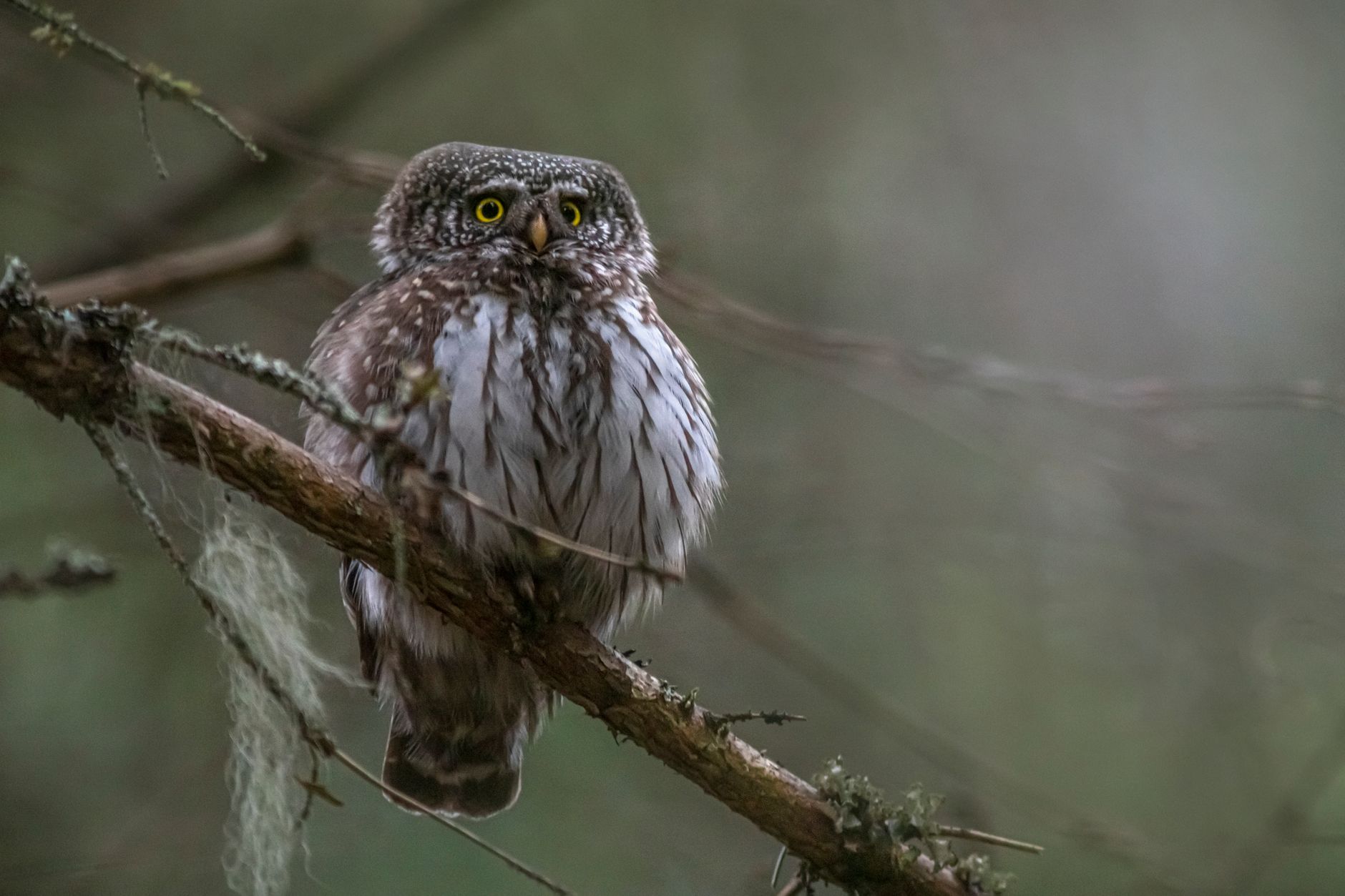
This reframing matters because it takes the pressure off. You don’t have to get it “right” or worry that you’ve failed if your guide changes. You get to stay curious. You get to meet multiple teachers over a lifetime. You get to trust that the universe (or your own deep soul intelligence, however you conceive of it) sends you the allies you actually need at each stage, not the ones that would look good on a Instagram aesthetic. Your spirit animals aren’t meant to be a fixed display in a spiritual museum. They’re meant to be living guides on an actual journey. That’s far more interesting, and far more true to how the natural world works.
Practical Meditation: Meeting Your Evolving Guide
Try this meditation when you sense a shift or want to check in with your current spiritual allies. Set aside 15-20 minutes in a quiet space. You might light a Candles, play soft instrumental music, or sit in nature if possible. Ground yourself: press your feet into the earth, feel your sit bones on your seat, take three deep breaths.
Begin the meditation: Close your eyes. Imagine yourself standing in a natural landscape—a forest, meadow, desert, or shoreline, wherever feels right. Notice the season, the light, the scents. You’re not here by accident; you’ve come to meet a guide. Walk through this landscape naturally, without forcing anything. What do you notice? What animal(s) cross your awareness? Don’t judge; just observe. If nothing appears immediately, sit down and wait. Patience is part of the practice. If a familiar animal appears, greet it warmly. Ask: “Are you my guide right now, or have you been my guide?” Listen for the answer that arises—it might be words, or feelings, or simply a knowing. If a different animal appears, ask: “Are you here to teach me?” Feel into the resonance
You Might Also Like


Decode the Message
What does your spirit animal carry? Animal symbolism across world cultures, mythology, and spiritual traditions — weekly.
No spam. Unsubscribe anytime.
