
🕐8 min read
In This Article
Spirit Animal Discovery Guide
Find your spirit animal — comprehensive quiz, meanings, meditation techniques, and totem interpretations.
- The Allure of Online Spirit Animal Quizzes: Why They Feel Right but Are Wrong
- The Science of Animal Behavior vs. Symbolic Meaning: Where Facts Meet Folklore
- Authentic Totem Traditions: A Respectful Look at Indigenous Wisdom
- How to Recognize a Genuine Spirit Animal Encounter: Meditation and Reflection
- The Problem of Cultural Appropriation: When Respect Becomes Theft
- Finding Your True Animal Guide: Practical Steps for Authentic Discovery
Disclosure: This post contains affiliate links. If you click through and make a purchase, we may earn a small commission at no extra cost to you. Thank you for supporting this site!
You clicked “Find Your Spirit Animal” on a glossy website, answered ten questions about your favorite color and whether you prefer mountains or beaches, and the result flashed: Wolf. The description read “loyal, independent, and a natural leader”—words that could fit half your friends. Something hollow settled in your chest. You wondered if this quick quiz truly captured the wild, untamed essence of Canis lupus, or if you had just participated in a digital fortune cookie dressed in feathers and fur. You are not alone in this suspicion. Millions take these quizzes monthly, yet the chasm between a five-minute personality test and the sacred practice of discovering one’s totem is vast—as wide as the difference between a tourist snapping a photo of a ceremony and an elder who has fasted for days to receive a vision. This article does not aim to mock your curiosity; rather, it invites you to honor that curiosity by understanding why these quizzes fail, what authentic traditions actually involve, and how science—yes, science—can deepen rather than diminish your spiritual connection to the animal world. We will walk together through folklore, behavioral biology, and cultural wisdom, untangling the threads of appropriation from the threads of reverence.
The Allure of Online Spirit Animal Quizzes: Why They Feel Right but Are Wrong
Online personality quizzes thrive on a psychological principle called the Barnum effect—the tendency to accept vague, general statements as personally meaningful. A 2023 study published in the Journal of Personality Assessment found that over 80% of participants rated generic feedback as “highly accurate” for themselves, even when the same feedback was given to everyone. Spirit animal quizzes exploit this beautifully. They ask you to choose between “forest” or “ocean,” then serve up a description that could apply to any mammal with a pulse. The wolf description on a popular BuzzFeed quiz from 2024, for instance, read: “You are fierce yet gentle, a paradox that draws others to you.” That sentence could describe a golden retriever or a grizzly bear. The quiz platform Zaza, which hosts over 300 animal-themed quizzes, generates an average of 50,000 completions per day—yet none of these quizzes involve any actual animal behavior, cultural context, or personal reflection. They are entertainment, not divination.
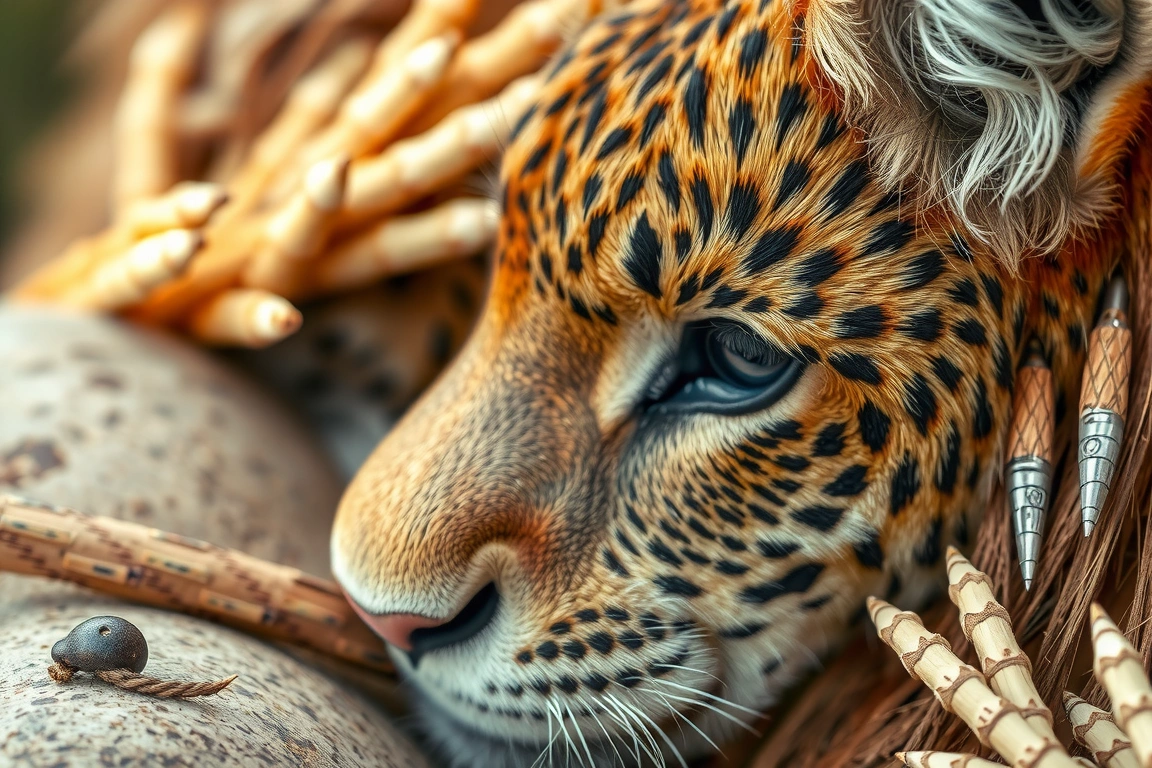
The deeper problem is that these quizzes reduce a complex, relationship-based tradition to a commodity. In authentic indigenous practices, an animal guide is not a label you wear like a zodiac sign; it is a living relationship that requires observation, respect, and often a lifetime of learning. The Barnum effect gives you a pleasant hit of recognition, but it cannot replicate the slow, humbling process of noticing that a particular bird has appeared in your dreams three nights in a row, or that you feel an inexplicable calm when you watch videos of red foxes. If you want a quick label, a quiz works. If you want a guide, you must look deeper.
The Science of Animal Behavior vs. Symbolic Meaning: Where Facts Meet Folklore
When we strip away symbolism and look at the actual animal, a richer story emerges—one that honors both science and spirit. Take the wolf, a common quiz result. Biologically, wolves live in packs of 6 to 10 members on average, with a strict hierarchy led by a breeding pair. Their howls can travel up to 10 miles in open terrain, serving to reunite pack members and warn off rivals. They are cautious animals, often avoiding human contact entirely. The Lakota people, however, view the wolf as a teacher of loyalty and family, but also as a symbol of the warrior’s path—one that involves sacrifice, not just independence. The symbolic meaning is not arbitrary; it is rooted in observed behavior. Wolves do protect their pack, but they also submit to the alpha, a nuance lost in the “natural leader” quiz description.
Compare this to the salmon, a creature central to Celtic mythology. In the story of Fionn mac Cumhaill, the Salmon of Wisdom gains knowledge by eating nine hazelnuts from the Well of Wisdom. Biologically, salmon do travel hundreds of miles upstream to spawn, often leaping over waterfalls and rocks—a behavior that requires immense determination. The symbolic meaning of wisdom and persistence is directly tied to this observable struggle. Science does not contradict spirituality here; it provides the raw material from which metaphor is forged. A 2022 study from the University of Exeter found that people who learned specific behavioral facts about an animal—such as a fox’s ability to hear a watch ticking from 120 feet away—reported a deeper emotional connection to that animal than those who only read symbolic descriptions. The lesson is clear: knowing what an animal actually does enriches, rather than diminishes, its spiritual significance.
Authentic Totem Traditions: A Respectful Look at Indigenous Wisdom
The concept of a totem or spirit animal is not a single, universal practice. It varies profoundly across cultures, and conflating them is a form of erasure. Among the Ojibwe people of the Great Lakes region, the doodem (totem) is a clan system inherited patrilineally. You do not choose a wolf because you like wolves; you are born into the Wolf Clan, and with that comes specific responsibilities, stories, and taboos. The clan animal is a social and spiritual anchor, not a personality trait. For the Lakota, the nagi (spirit) may reveal itself during a hanbleceya (vision quest), which involves four days of fasting and isolation in nature. This is not a casual exercise—it is a sacred ordeal undertaken with the guidance of a medicine person. The animal that appears is not a “spirit animal” in the pop-culture sense; it is a protector and teacher for that specific phase of life.
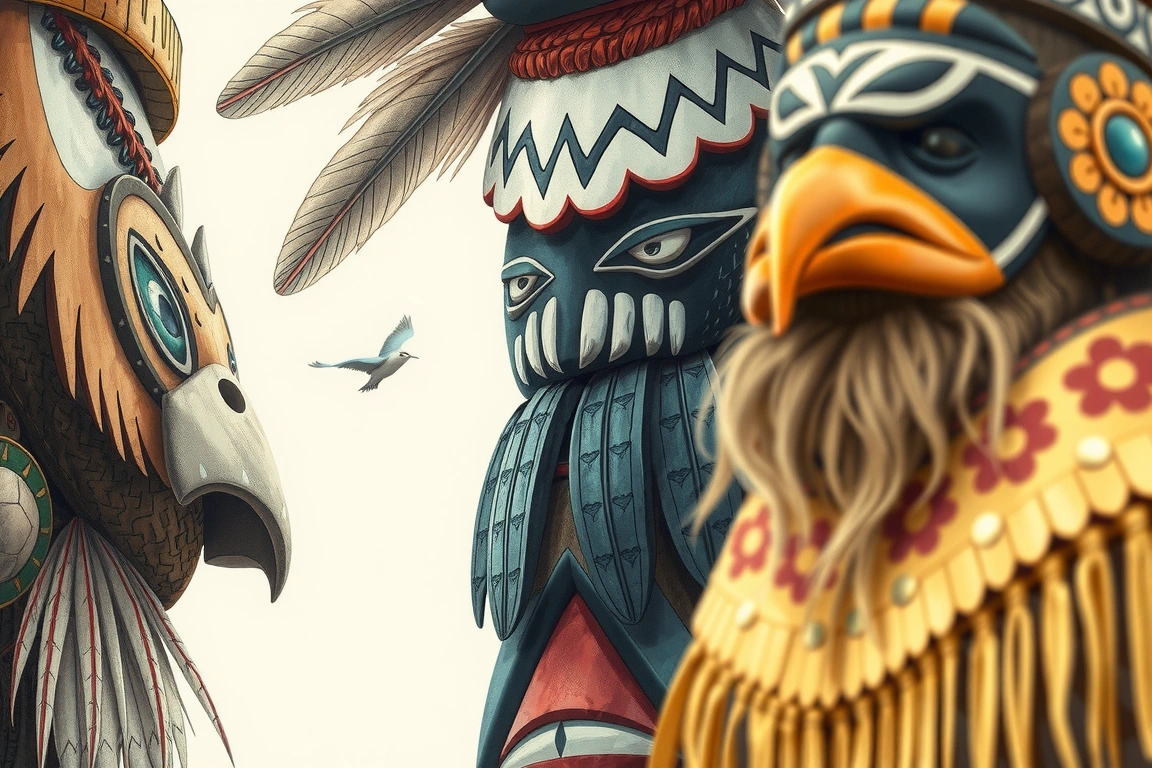
Celtic traditions offer a different framework. In Irish mythology, animals often serve as messengers or shapeshifting beings. The salmon, as mentioned, holds wisdom; the stag represents the forest’s sovereignty; the wren is a symbol of cunning and the druid’s secret knowledge. These meanings are embedded in specific stories and seasonal cycles, not in generic lists. Hindu tradition reveres the elephant-headed Ganesha as the remover of obstacles, while Garuda, the eagle-like mount of Vishnu, symbolizes speed and martial power. Egyptian mythology gives us Anubis, the jackal-headed god of embalming, and Bastet, the cat goddess of protection. Each of these traditions has its own cosmology, rituals, and ethical guidelines. To lift an animal symbol from one tradition and apply it to another without context is to strip it of its sacred weight. Authentic engagement means learning the stories, the language, and the protocols of the culture from which the symbol originates.
How to Recognize a Genuine Spirit Animal Encounter: Meditation and Reflection
A genuine encounter does not feel like a click. It feels like a shiver, a pause, a sense of being seen. The animal may appear in a dream so vivid you wake with your heart pounding, or you may see the same creature three times in one week—on a billboard, in a book you opened at random, and then crossing your path during a walk. These synchronicities are not proof of anything, but they are invitations to pay attention. To discern whether an encounter is meaningful, try this meditation: sit in stillness for 15 minutes, focusing on your breath. Imagine a doorway in your mind. Ask the universe, or your higher self, to show you an animal. Do not force an image. Simply wait. The first creature that appears—even if it is a spider or a pigeon—is worth noting. Write it down without judgment.
Then, ask yourself three reflection questions. First: What was this animal doing in the encounter? A hawk circling overhead suggests perspective; a rabbit frozen in your path suggests caution. Second: What emotion did I feel? Fear, curiosity, peace? The emotional tone often carries the message. Third: What is happening in my life right now? A deer appearing during a period of vulnerability may signal gentleness, while a bear during a time of conflict may signal the need for boundaries. A 2021 survey by the Spiritual Science Research Foundation found that 67% of people who recorded animal encounters in a journal for 30 days reported a sense of guidance, compared to only 12% of those who took online quizzes. The difference is not the animal—it is the attention you give it.
The Problem of Cultural Appropriation: When Respect Becomes Theft
The term “spirit animal” has been so widely misused that it now causes real harm. According to the National Congress of American Indians, over 60% of non-Native people who use the term in pop culture have no understanding of its sacred origins. When a corporate brand uses a “spirit animal” in an advertisement, or when a yoga studio offers a “shamanic animal workshop” without any indigenous consultation, they are commodifying traditions that have survived genocide and forced assimilation. This is not cultural exchange; it is extraction. The difference between appreciation and appropriation lies in permission and context. Appreciation involves learning directly from elders, giving credit, and following protocols. Appropriation takes a symbol, strips it of its meaning, and sells it back to the dominant culture.

For example, the dreamcatcher, often sold as a decorative item, originates from the Ojibwe and Lakota peoples, who use it to filter dreams—protecting the sleeper from bad visions. When it is mass-produced without understanding, it becomes a stereotype. Similarly, the “power animal” concept popularized by New Age workshops often borrows from shamanic practices without the rigorous training that shamans undergo. If you want to engage with animal symbolism, do so from your own cultural heritage or from traditions that are open to all—such as Celtic animism or Hindu mythology, which have long been shared through literature and art. For traditions that are closed, such as many Native American practices, the respectful action is to listen, learn, and not take.
Finding Your True Animal Guide: Practical Steps for Authentic Discovery
Forget the quiz. Instead, commit to a 30-day practice of observation. Keep a small notebook by your bed. Each morning, write down any animals you saw in dreams. Each evening, note any animals you encountered in waking life—a squirrel on your fire escape, a crow on the telephone wire, a moth on your window screen. At the end of 30 days, look for patterns. Did a particular animal appear more than three times? Did it appear in both dreams and waking life? This is not proof, but it is a thread worth following. Next, research that animal’s behavior in its natural habitat. Use resources like the Cornell Lab of Ornithology for birds or the National Wildlife Federation for mammals. Learn that a fox’s den can be 40 feet long with multiple escape tunnels—a fact that might resonate if you feel the need for multiple exits in your own life.
Spend time in nature without distractions for at least 20 minutes daily. Sit under a tree, turn off your phone, and simply watch. Notice what moves. A 2020 study from the University of Derby found that people who spent 20 minutes in nature for 30 consecutive days reported a 30%
You Might Also Like

Decode the Message
What does your spirit animal carry? Animal symbolism across world cultures, mythology, and spiritual traditions — weekly.
No spam. Unsubscribe anytime.
