
🕐11 min read
In This Article
Spirit Animal Discovery Guide
Find your spirit animal — comprehensive quiz, meanings, meditation techniques, and totem interpretations.
- Understanding the Waning Moon’s Energetic Signature
- Cultural Traditions of Release and the Waning Moon
- Creating Your Personal Waning Moon Ritual in 2024
- A Guided Meditation for Waning Moon Release
- Journal Prompts for Deep Reflection
- Common Mistakes to Avoid in Your Letting-Go Practice
- Weaving Waning Moon Energy into Daily Life
- Frequently Asked Questions
Disclosure: This post contains affiliate links. If you click through and make a purchase, we may earn a small commission at no extra cost to you. Thank you for supporting this site!
Last October, as the leaves began to crisp and the nights grew longer, I found myself holding onto a resentment that felt as heavy as a stone in my pocket. It was a professional disappointment, months old, that I couldn’t seem to shake. Each time I thought of it, my shoulders would tense. Then, on a clear, cold evening, I stood beneath a sliver of a waning moon. Its gentle, diminishing light didn’t ask me to fix anything or find a solution. It simply offered a quiet truth: all things have their season, and this bitterness had overstayed its welcome. That night, I scribbled the source of my anger onto a bay leaf and burned it in a small ceramic bowl, watching the smoke carry the feeling up and away. It wasn’t a magical cure, but it was a start—a deliberate act of release that the moon’s energy seemed to magnify. The waning moon phase, a time of decrease from full to dark, is nature’s most potent metaphor for letting go, and in 2024, its rhythm offers a profound tool for personal cleansing.
8 min read
In This Article
- Understanding the Waning Moon’s Energetic Signature
- Cultural Traditions of Release and the Waning Moon
- Creating Your Personal Waning Moon Ritual in 2024
- A Guided Meditation for Waning Moon Release
- Journal Prompts for Deep Reflection
- Common Mistakes to Avoid in Your Letting-Go Practice
- Weaving Waning Moon Energy into Daily Life
- Frequently Asked Questions
Key Takeaways
- Understanding the Waning Moon’s Energetic Signature
- Cultural Traditions of Release and the Waning Moon
- Creating Your Personal Waning Moon Ritual in 2024
- A Guided Meditation for Waning Moon Release
Understanding the Waning Moon’s Energetic Signature
The waning moon is the celestial period that begins just after the full moon peaks and concludes with the new moon. Astronomically, this phase lasts approximately 14.5 days, but its most concentrated energy for release is often felt during the last week, as the visible sliver of light shrinks each night. Unlike the bold, outward energy of the waxing moon, which builds toward manifestation, the waning moon turns inward. Its energy is receptive, introspective, and deeply yin. Think of it as the cosmic tide going out, pulling debris from the shore. This is the time to shed what no longer serves you—be it habits, relationships, thought patterns, or emotional baggage. The moon’s decreasing light acts as a gentle but persistent spotlight on the clutter in our inner world, making it the perfect ally for anyone feeling burdened or stagnant.
This phase is further divided into three distinct segments, each with a slightly different flavor of release. The waning gibbous moon, the first stage after full, is ideal for releasing excess—perhaps you’ve taken on too many projects or are overgiving in a relationship. The last quarter moon encourages a more analytical release, helping you see clearly what is and isn’t working. Finally, the waning crescent, that delicate sliver just before the dark moon, supports the release of deep-seated, subconscious patterns. Honoring these subtle shifts, much like the Celtic traditions that closely tracked lunar phases for farming and spiritual work, allows for a more nuanced and effective practice.
Finally, the waning crescent, that delicate sliver just before the dark moon, supports the release of deep-seated, subconscious patterns.
Cultural Traditions of Release and the Waning Moon
Across the globe, cultures have long associated the moon’s diminishing light with purification and the clearing away of the old. These traditions provide a rich tapestry of practices that we can respectfully draw inspiration from.

Celtic and European Folk Practices
In Celtic traditions, the waning moon was known as the “old moon” or “decaying moon.” It was a time for banishing illness, negative influences, and bad luck. A common practice involved “saining,” a form of purification where water collected under the waning moon was sprinkled around the home or on a person to cleanse them of malevolent spirits or lingering negativity. Folk healers would often perform healing rituals during this phase, believing the moon’s receding energy helped to draw out sickness and poison from the body.
Hinduism and Lunar Cycles
In Hindu cosmology, the waning moon phase, known as Krishna Paksha, is considered a highly spiritual time for austerity, introspection, and letting go of attachments. It is traditionally seen as favorable for performing rituals related to ancestors (Pitru Karma) and for practices aimed at dissolving karma. The 14th day of the waning moon, known as Maha Shivaratri in certain months, is one of the most significant nights for worship, dedicated to Lord Shiva as the destroyer of ignorance and illusion—a powerful archetype for release.
Native American Lunar Wisdom
Many Native American tribes named the moons according to the seasonal changes and activities they signaled. The waning moon periods were often times for storytelling, introspection, and preparing for the new cycle to come. While practices are diverse and specific to each nation, a common thread is the understanding that as the moon disappears, it takes things with it. This was a time for quiet reflection, for expressing gratitude for the completed cycle, and for consciously releasing what was not needed for the journey ahead.
Want to decode more?
Free weekly — no spam, unsubscribe anytime.
Creating Your Personal Waning Moon Ritual in 2024
A letting-go ritual doesn’t need to be complex to be powerful. The key is intention and consistency. Here is a flexible framework you can adapt, using 2024’s specific lunar dates to plan your practice.
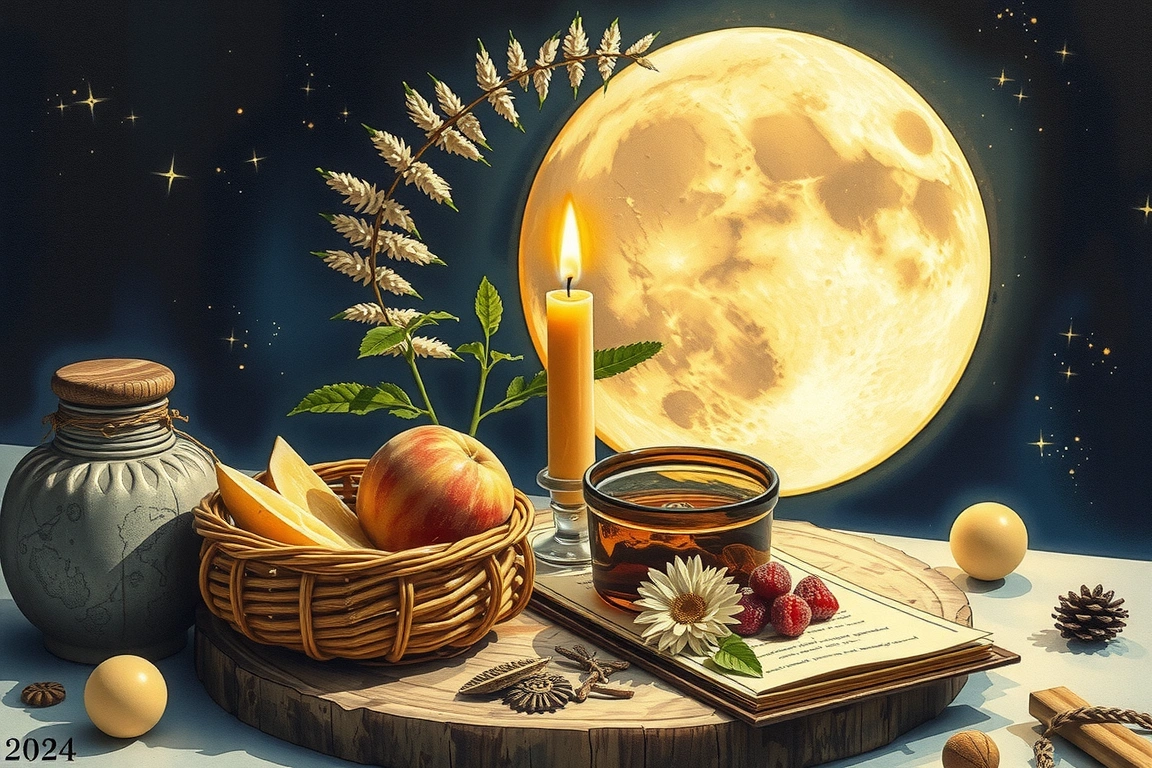
Step 1: Preparation (1-2 days before the waning phase begins)
First, identify what you wish to release. Be specific. Instead of “stress,” name the source: “the anxiety I feel every Sunday night about the workweek.” Gather simple tools: a black or white Candles (black for banishing, white for purification), a piece of paper and pen, a fire-safe bowl, and perhaps a cleansing herb like sage, rosemary, or bay leaf. In 2024, key waning phases begin on dates like January 4th, July 21st, and October 2nd—mark your calendar.
Step 2: The Ritual Act
Find a quiet space. Light your candle. Write down what you are releasing on the paper. Hold the paper and feel the weight of that thing in your life. Then, with purpose, burn the paper in the bowl (safely!) or tear it into tiny pieces. As you do, say aloud a simple affirmation like, “I release you with love. I am free.” If using herbs, you can waft the smoke over yourself to purify your energy field. The act is symbolic, but it creates a powerful psychological marker for your subconscious mind.
Step 3: Integration
After the ritual, extinguish the candle. Dispose of the ashes or paper scraps by burying them, scattering them to the wind, or flushing them away—any act that signifies a permanent return to the elements. Follow this with an act of self-care, like drinking a cup of calming tea or taking a salt bath, to fill the space you’ve just created.
A Guided Meditation for Waning Moon Release
This 10-minute meditation can be done during any waning moon phase to deepen your practice of release. Find a comfortable seated position and close your eyes.
Take three deep breaths, inhaling calm and exhaling tension. Imagine yourself standing in a forest clearing under a night sky. Above you hangs a waning crescent moon, its soft silver light illuminating the path before you. Notice a heavy bag you have been carrying. You open it and see that it is filled with everything you wish to let go of—old worries, grudges, limitations. One by one, you take these items out and place them in a stream that flows through the clearing. The water, charged with the moon’s releasing energy, gently carries each item away, dissolving it into light. Feel the weight of the bag lessen until it is empty. You are left feeling lighter, clearer, and open to the possibilities of the new cycle to come. Sit with this feeling of spaciousness for a few moments before slowly bringing your awareness back to the room.
Sit with this feeling of spaciousness for a few moments before slowly bringing your awareness back to the room.
Journal Prompts for Deep Reflection
Writing is a powerful way to clarify what needs to be released. During the waning moon, ask yourself these questions:
- What habit, if released, would create the most positive change in my life right now?
- What story do I tell myself about my past that limits my present?
- Where am I giving my energy to people or situations that do not nourish me in return?
- What fear is holding me back from taking a desired step forward?
- What accomplishment or chapter from the last lunar cycle can I thank and release to make space for the new?
Common Mistakes to Avoid in Your Letting-Go Practice
Even with the best intentions, it’s easy to fall into patterns that dilute the power of your ritual. The most common error is focusing on the lack of what you’re releasing instead of the freedom its absence will bring. For example, chanting “I release debt” while vividly imagining your empty bank account can reinforce the feeling of scarcity. Instead, frame it as “I release the anxiety around money and welcome a steady, abundant flow.” Another mistake is forcing a release that isn’t ready. Grief, for instance, has its own timeline. The waning moon can help you release the resistance to grieving, not the grief itself. Finally, avoid treating the ritual as a one-time magic trick. Lasting release is a process, and aligning with each waning moon throughout 2024 builds momentum and deepens your capacity for change.
Weaving Waning Moon Energy into Daily Life
Your practice doesn’t have to be confined to a single ritual. You can integrate the energy of release into your everyday life during this phase. This is an excellent time for physical cleansing—deep cleaning your home, clearing out closets, or deleting old files from your computer. It’s also a potent period for completing projects and tying up loose ends. Consciously choose to have difficult but necessary conversations that will clear the air. Each small act of release, from donating old clothes to forgiving a small slight, aligns your daily rhythm with the cosmic rhythm of the moon, compounding the effect of your larger rituals.
The waning moon is a faithful, cyclical teacher in the art of release. It reminds us that emptiness is not a void to be feared, but a sacred space ready for new growth. By consciously working with its energy throughout 2024, you move from being a passive recipient of life’s ebbs and flows to an active participant in your own transformation. Start by marking the next waning moon on your calendar. Choose one small thing to release, and perform a simple ritual. Observe the subtle shift. This practice is a gentle, ongoing conversation with your deepest self, guided by the oldest clock in the sky.
Deepen your practice, one ritual at a time
Join our circle for seasonal rituals, moon guides, and gentle prompts — sent with intention, never spam.
Frequently Asked Questions
Can I perform a waning moon ritual if I’m a beginner?
Absolutely. Waning moon rituals are among the most accessible spiritual practices. You need no special training or expensive tools. Start with a simple intention, a piece of paper, and a safe way to burn or dispose of it. The most important element is your sincere desire to let something go. Consistency is more valuable than complexity; even a 5-minute acknowledgment of the moon’s phase and a silent intention to release can be powerful when done regularly.
What if I don’t know exactly what I need to release?
This is very common. If you feel a general sense of heaviness but can’t pinpoint the source, your ritual can focus on that very feeling. Write “this undefined weight I carry” or “all that no longer serves my highest good” on your paper. Alternatively, use the waning moon period for exploration through journaling or meditation. Ask the moon to illuminate what is ready to be released. Sometimes, the act of seeking clarity is the first step of the release itself.
Is it bad to do releasing work during the waxing moon?
It’s not “bad,” but it can be less effective and feel like swimming against the current. The waxing moon’s energy is expansive and building, so your efforts are better directed toward attracting what you want. Trying to deeply release during this time can create internal conflict. However, if a urgent need to let go arises, don’t suppress it because of the moon’s phase. Spirituality should be responsive. Just know that the waning moon provides a natural, supportive current for such work.
You Might Also Like



Decode the Message
What does your spirit animal carry? Animal symbolism across world cultures, mythology, and spiritual traditions — weekly.
No spam. Unsubscribe anytime.
